About The Course
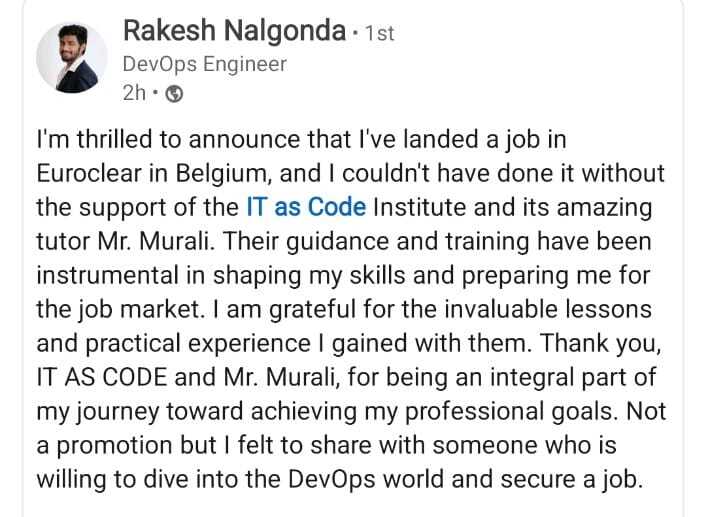
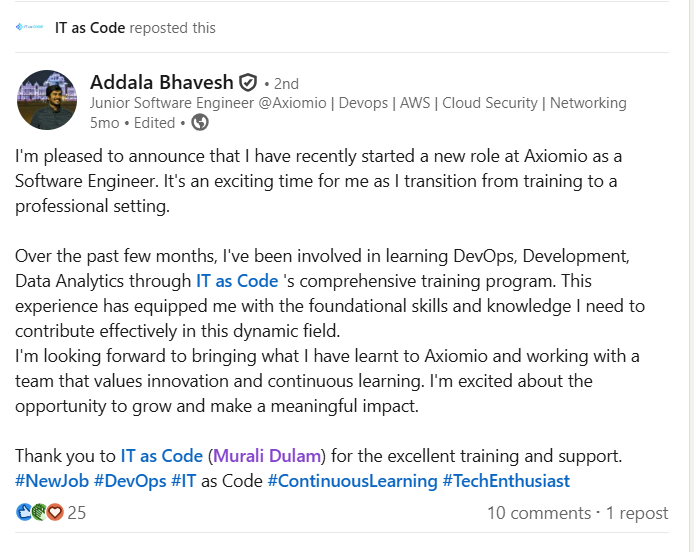
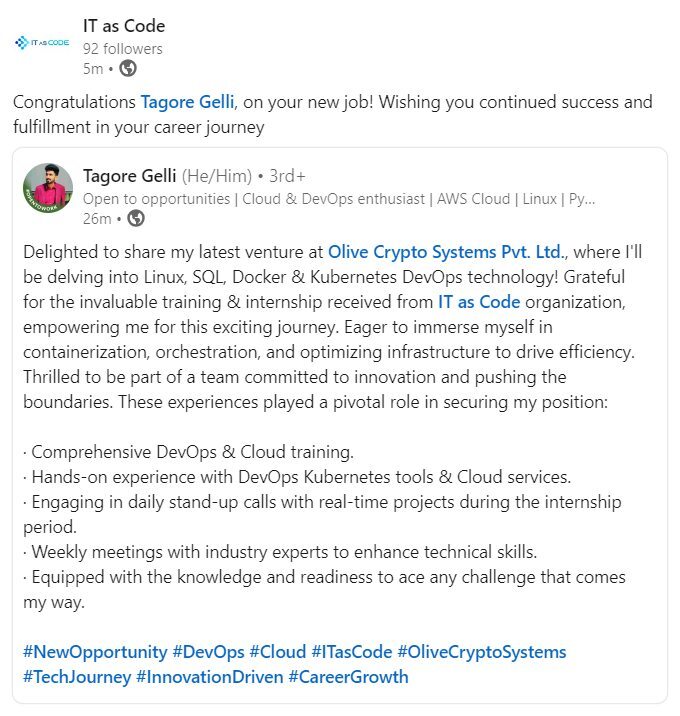
Trained 5,000+ professionals across 100+ batches. 1,000+ of our students now work at top companies.
Why this course
- Every AI system needs somewhere to actually run: servers, containers, networking, and security. That layer doesn't build or manage itself.
- Companies are hiring fast for people who understand this AI infrastructure layer.
- This course closes that gap with the infrastructure skills behind AI, not just AI theory.
AI era relevance: model training, model APIs, and agentic systems all run on containers and Kubernetes underneath. Teams that can't build and operate this layer stall in production, not in the lab.
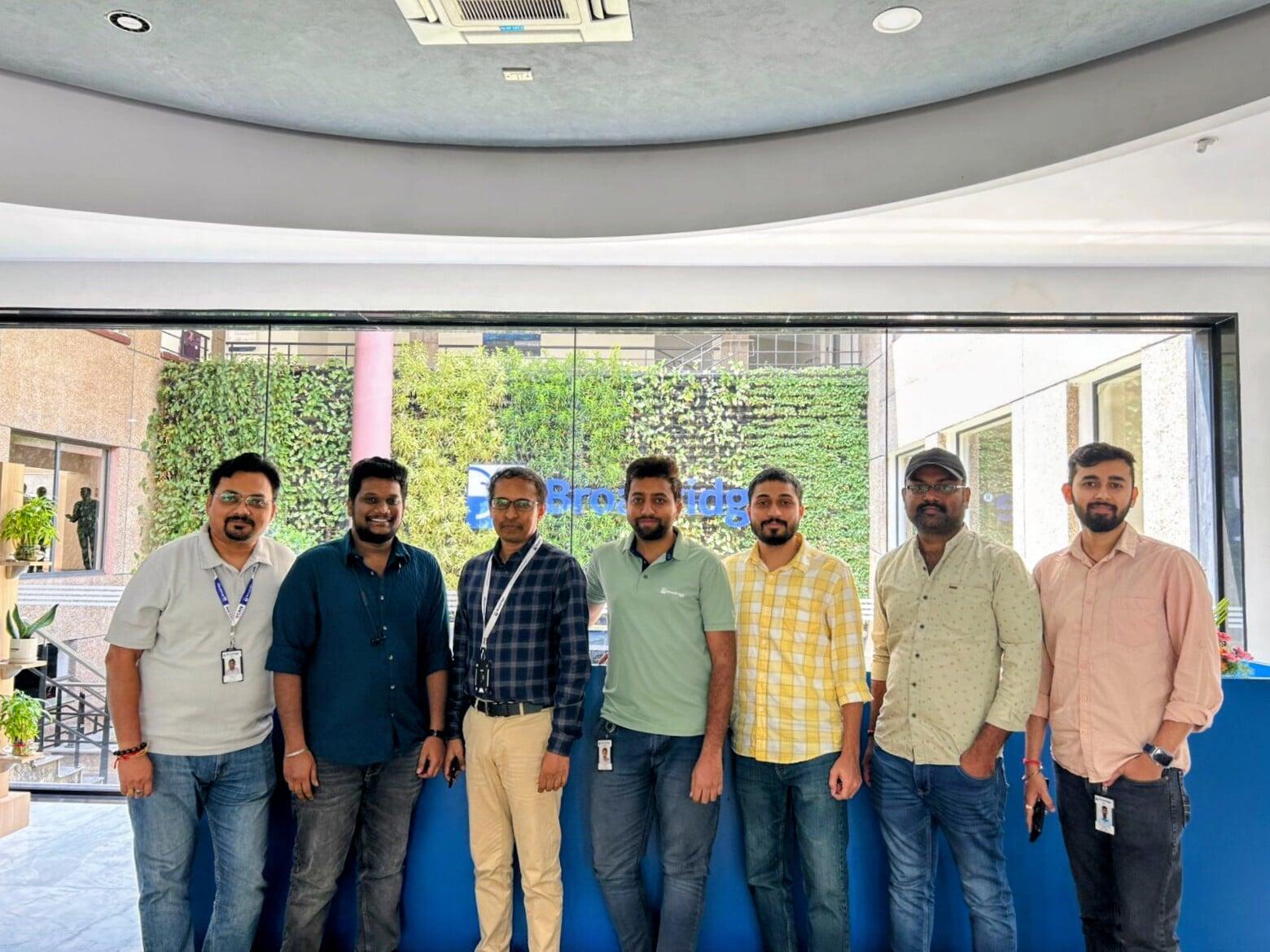
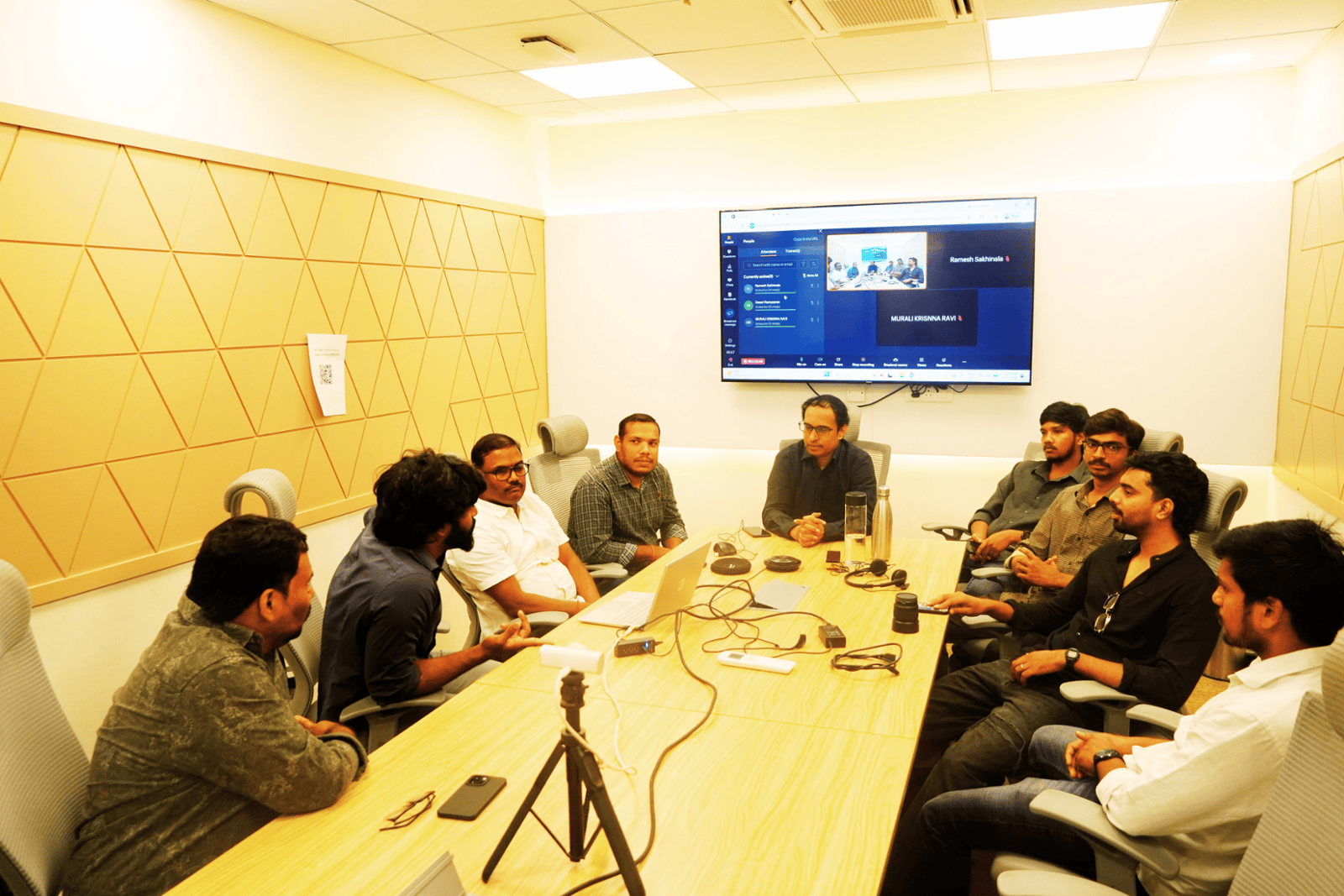
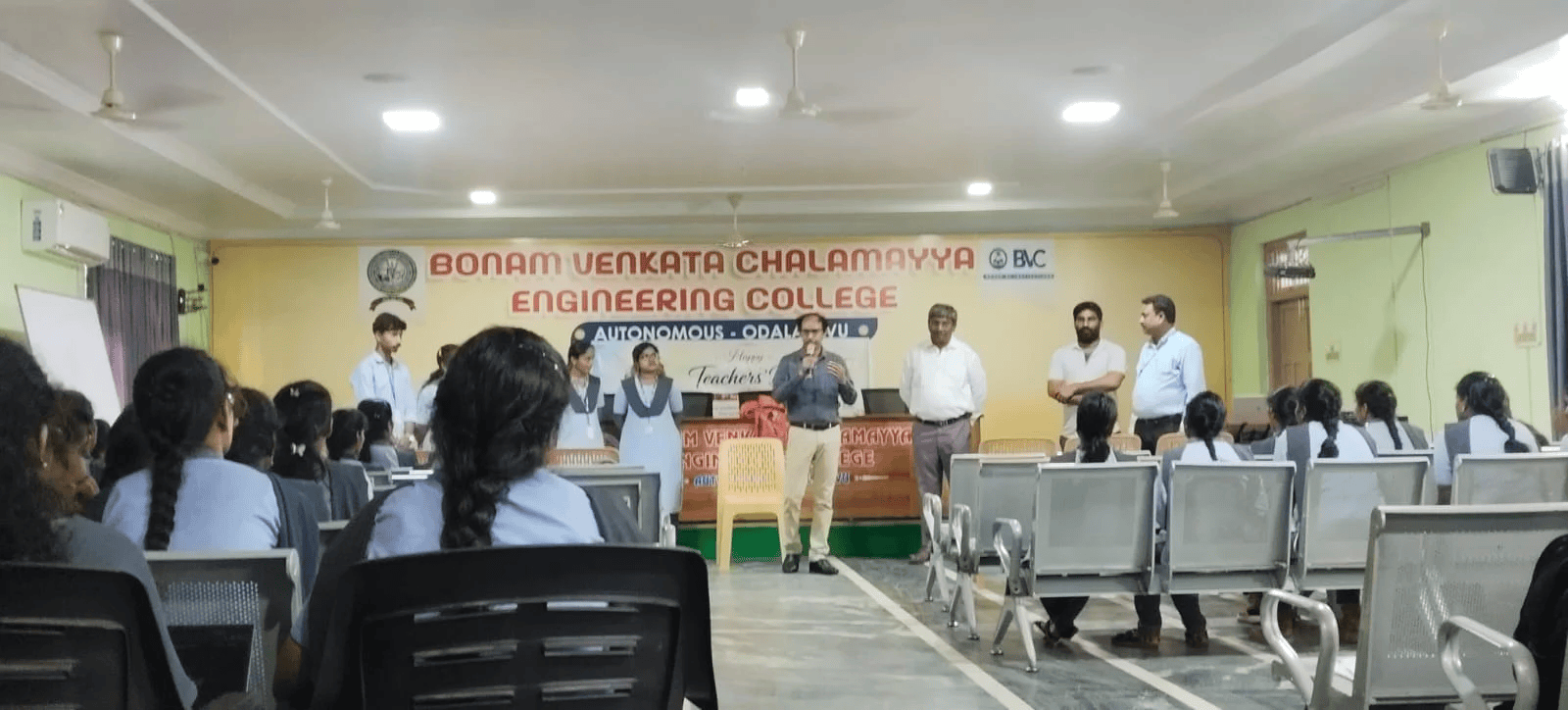
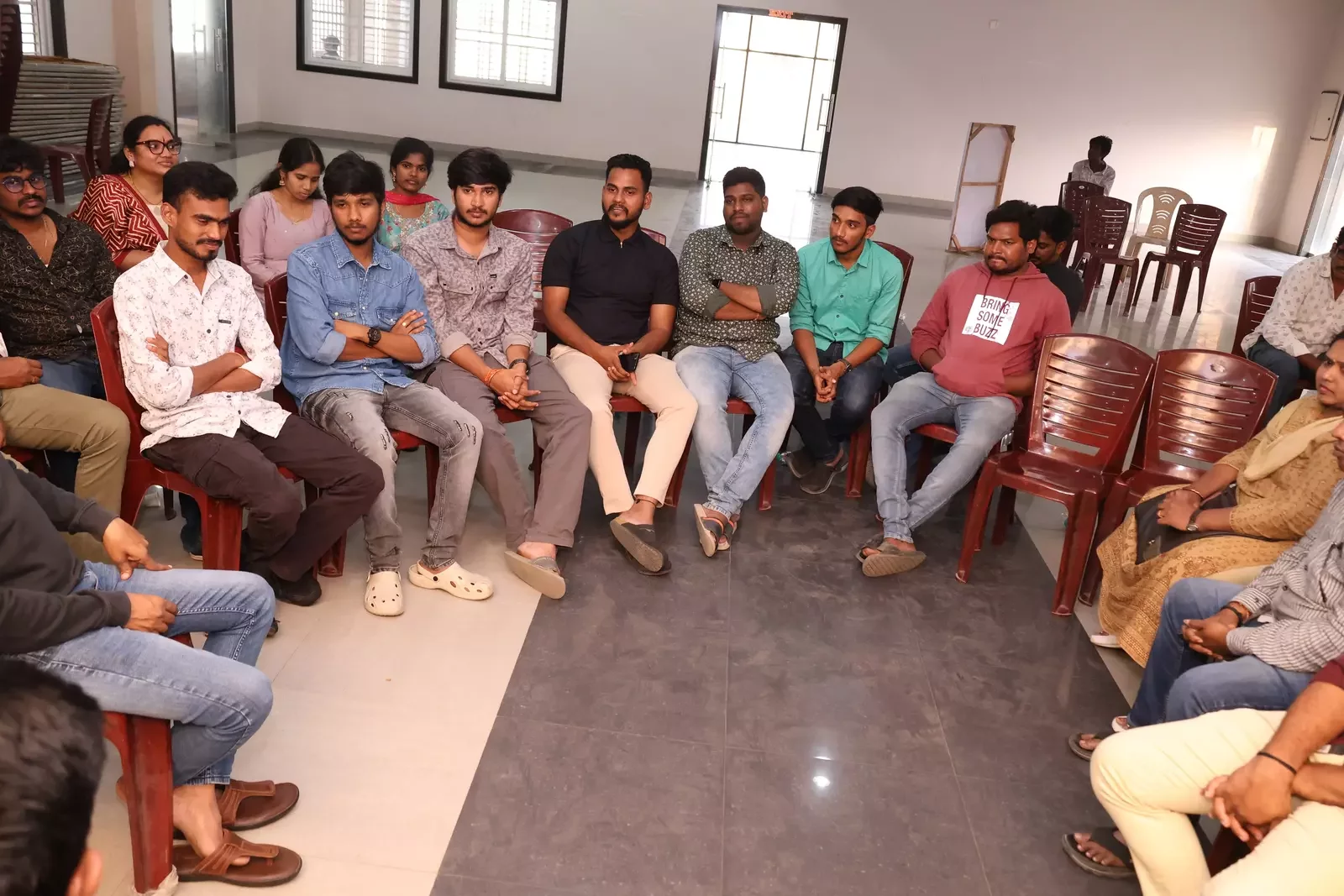
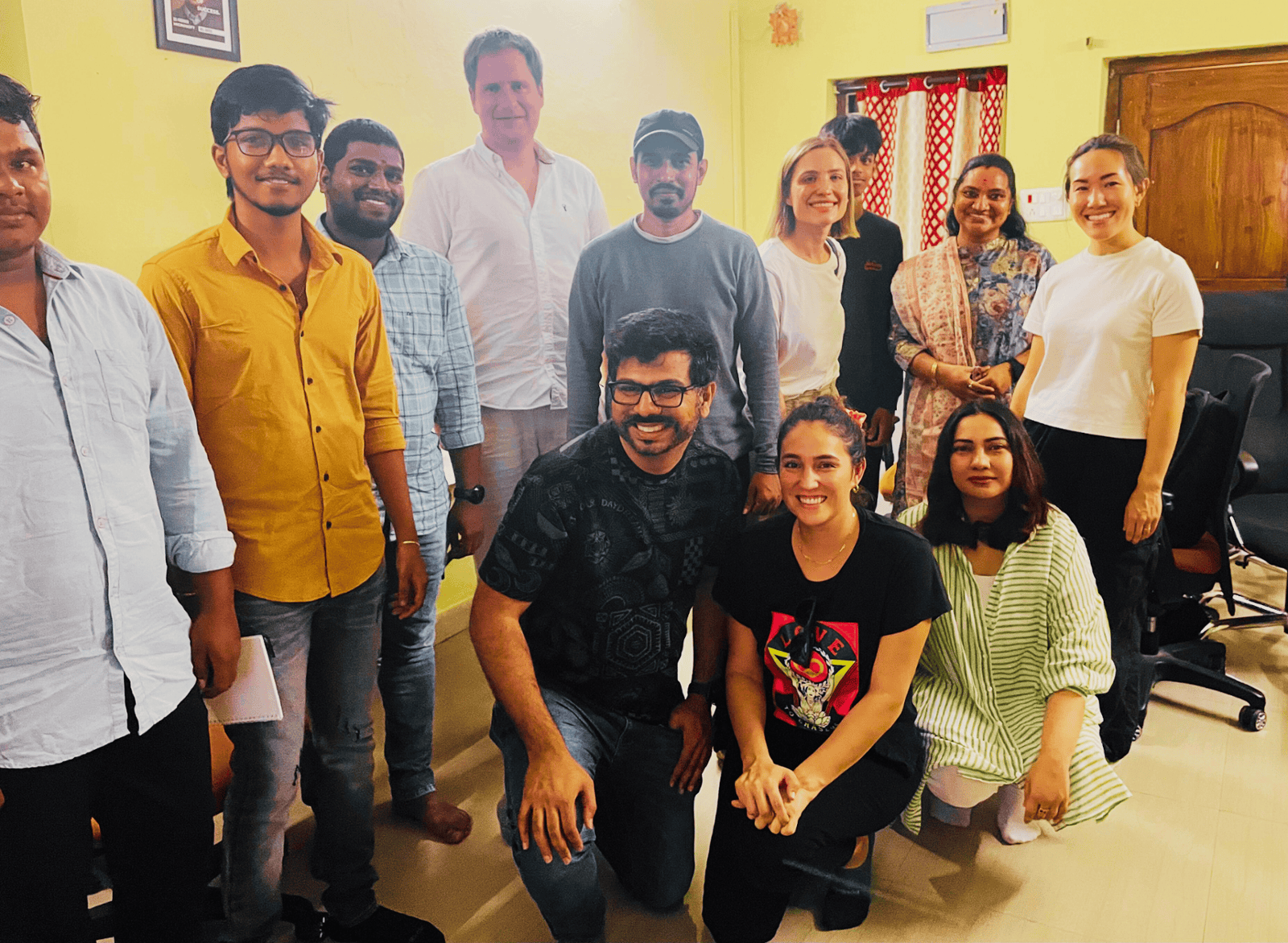
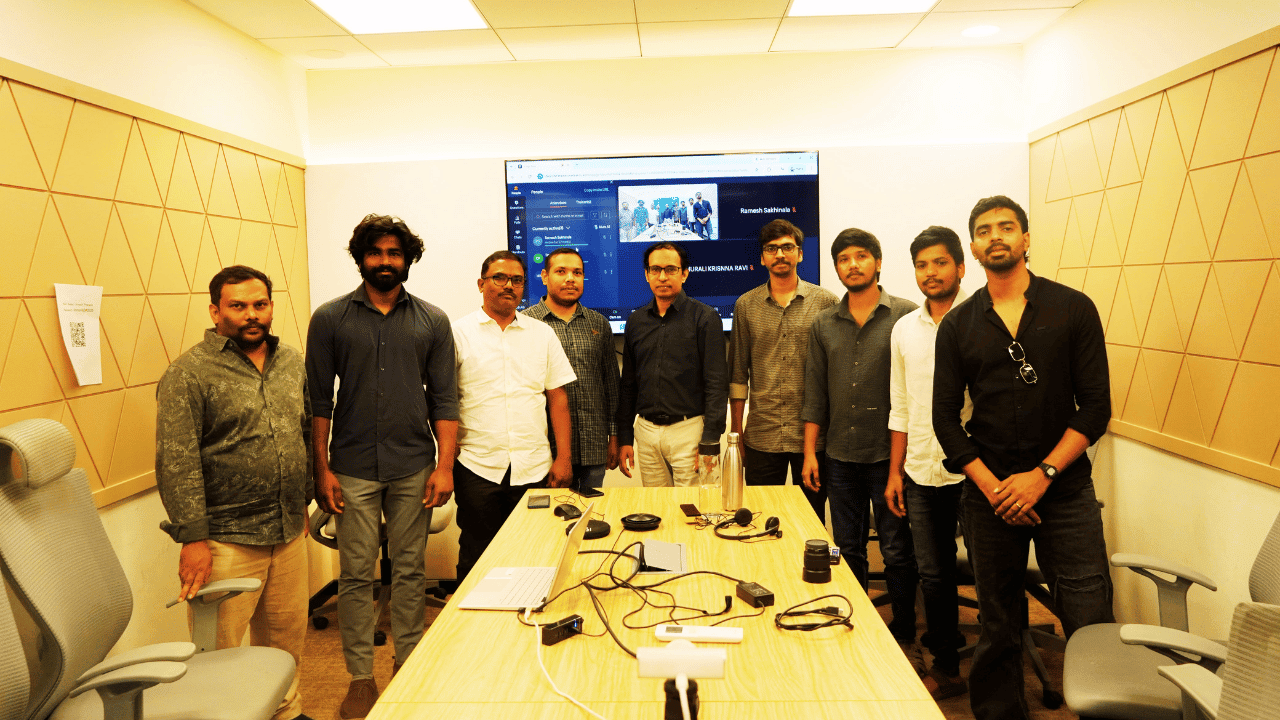
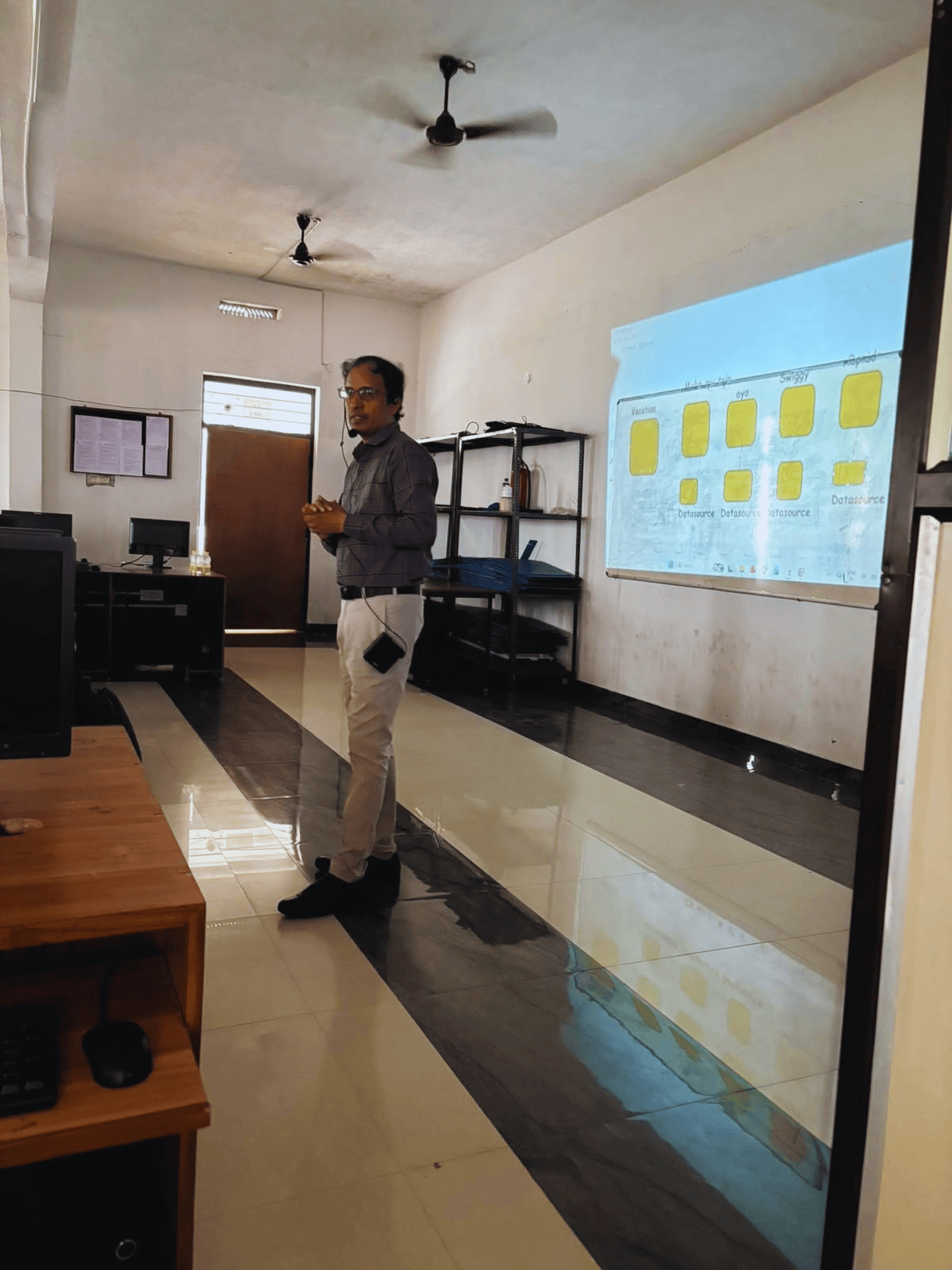
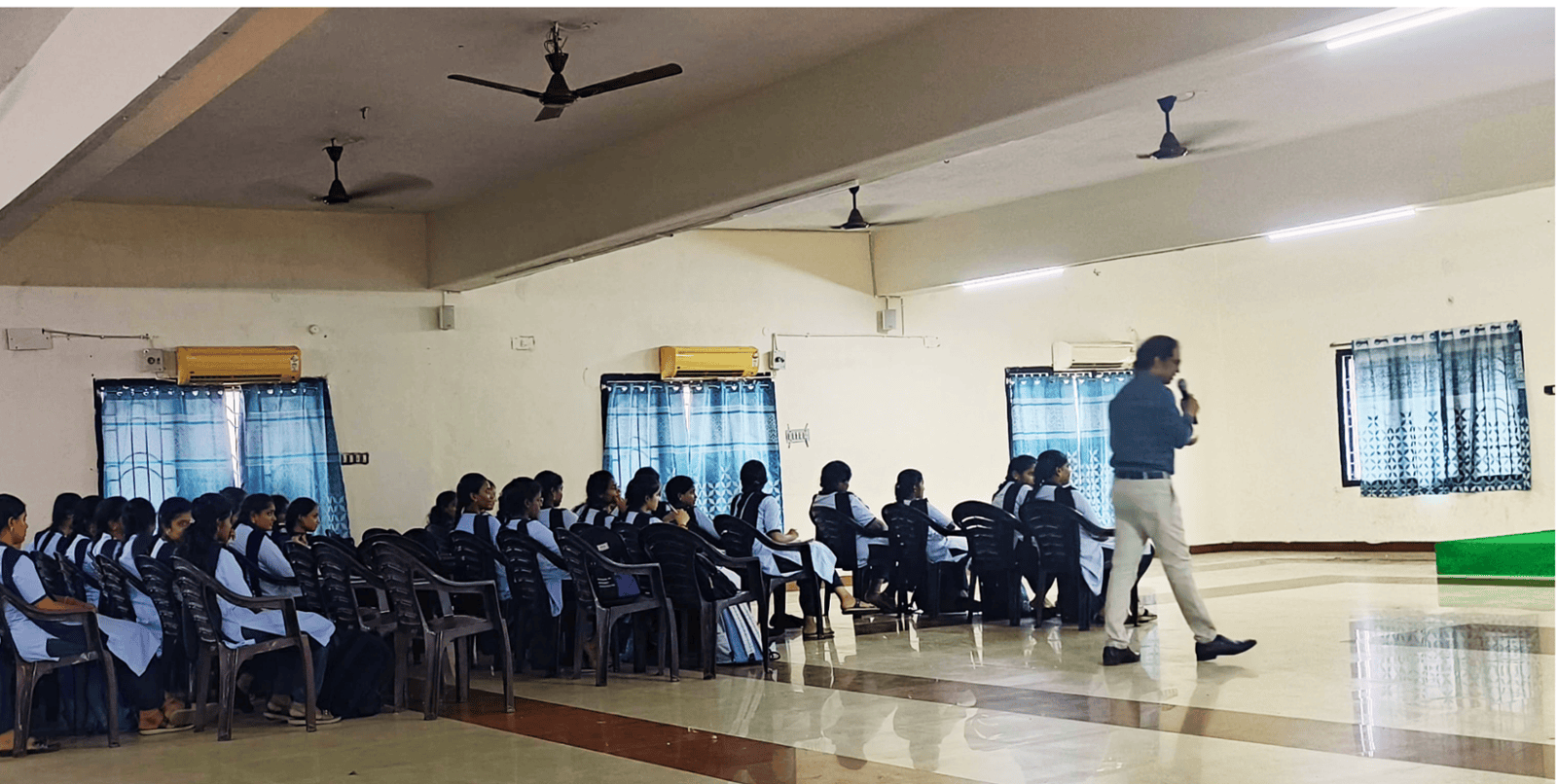
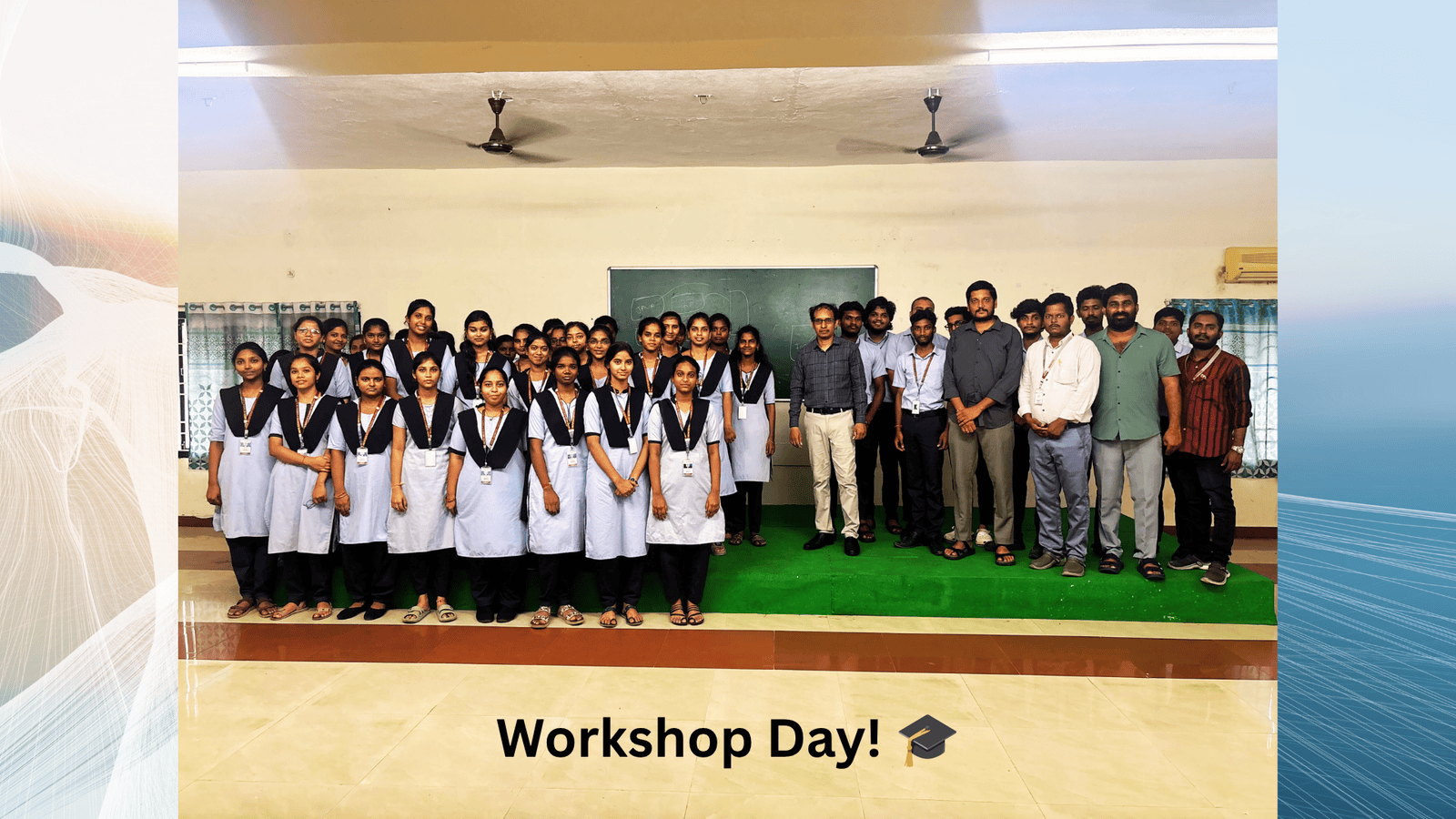
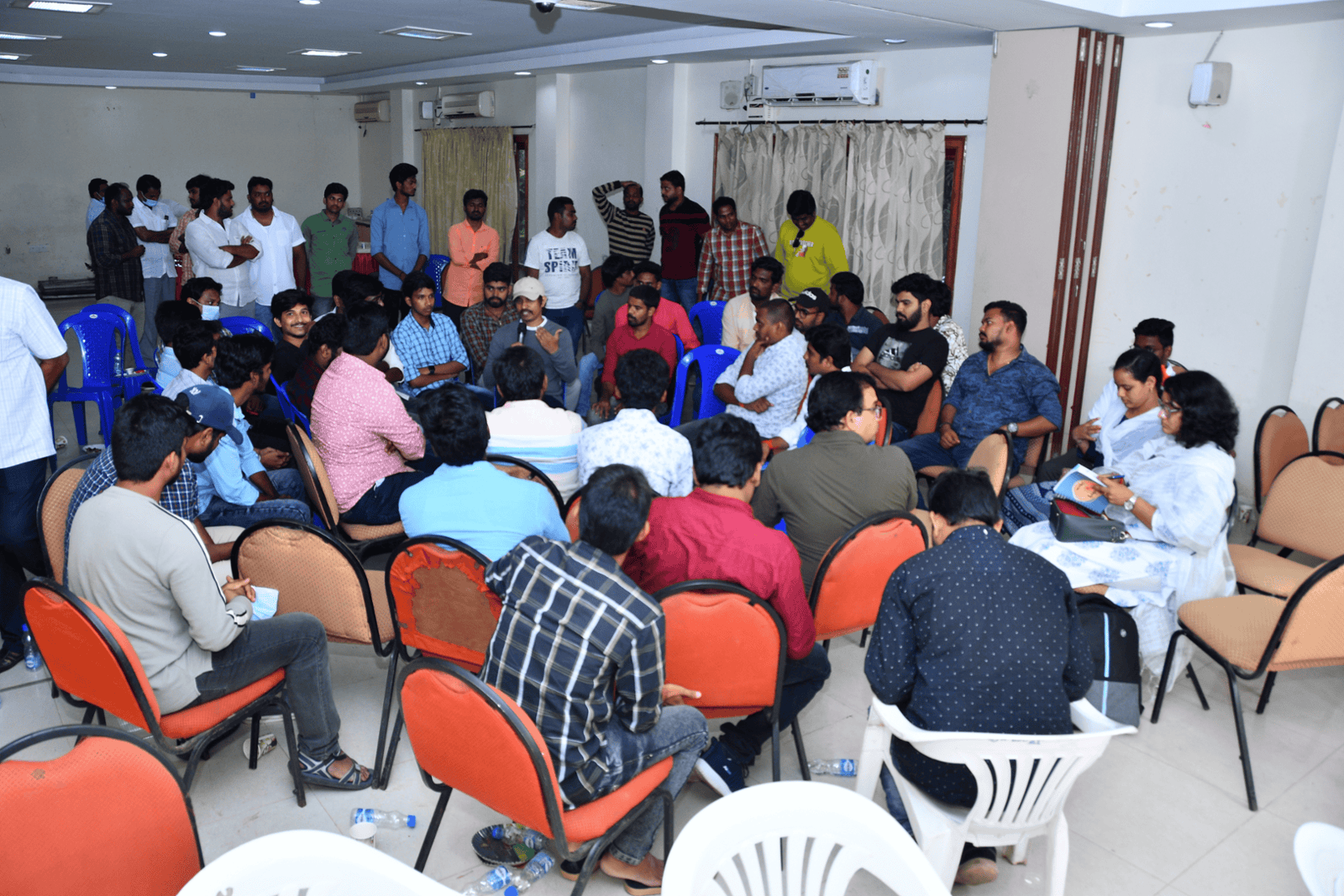
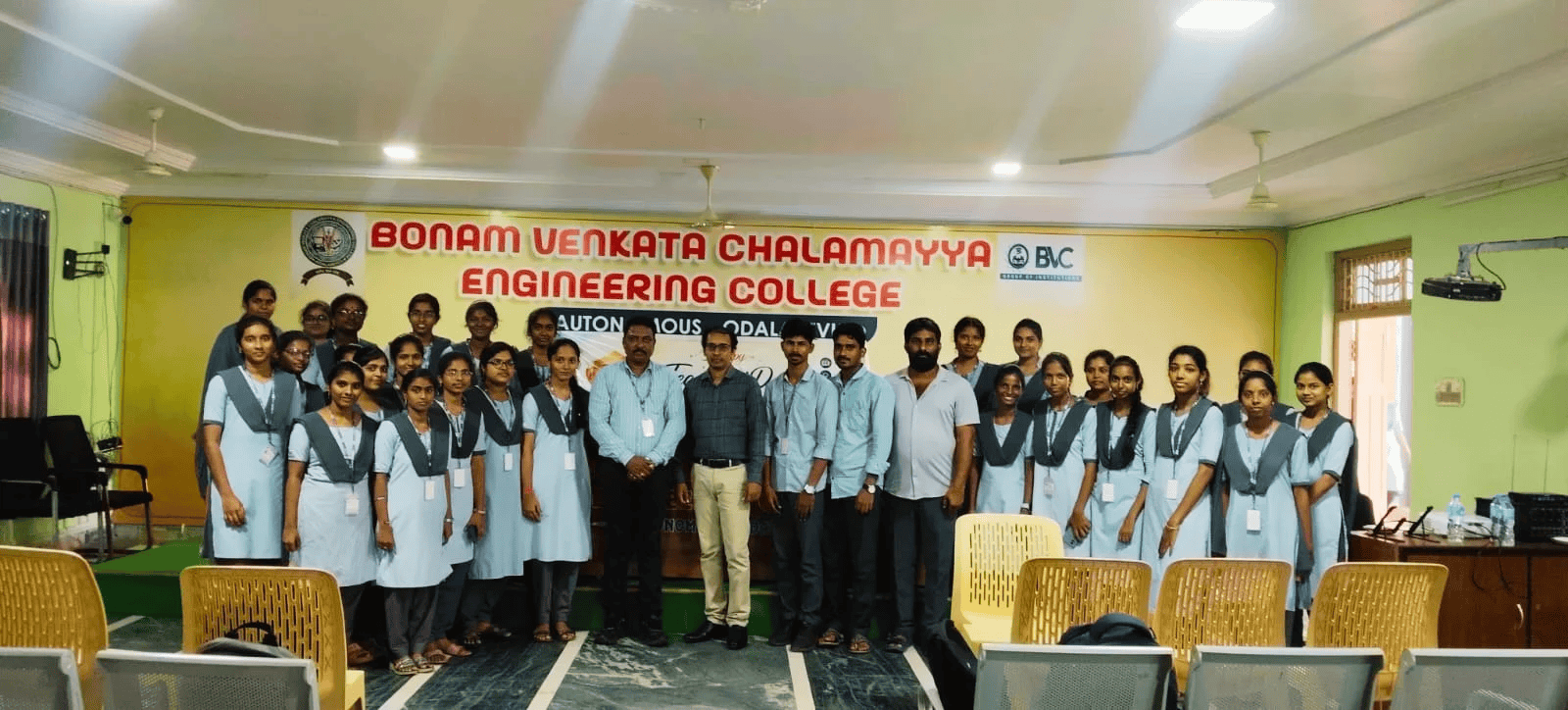
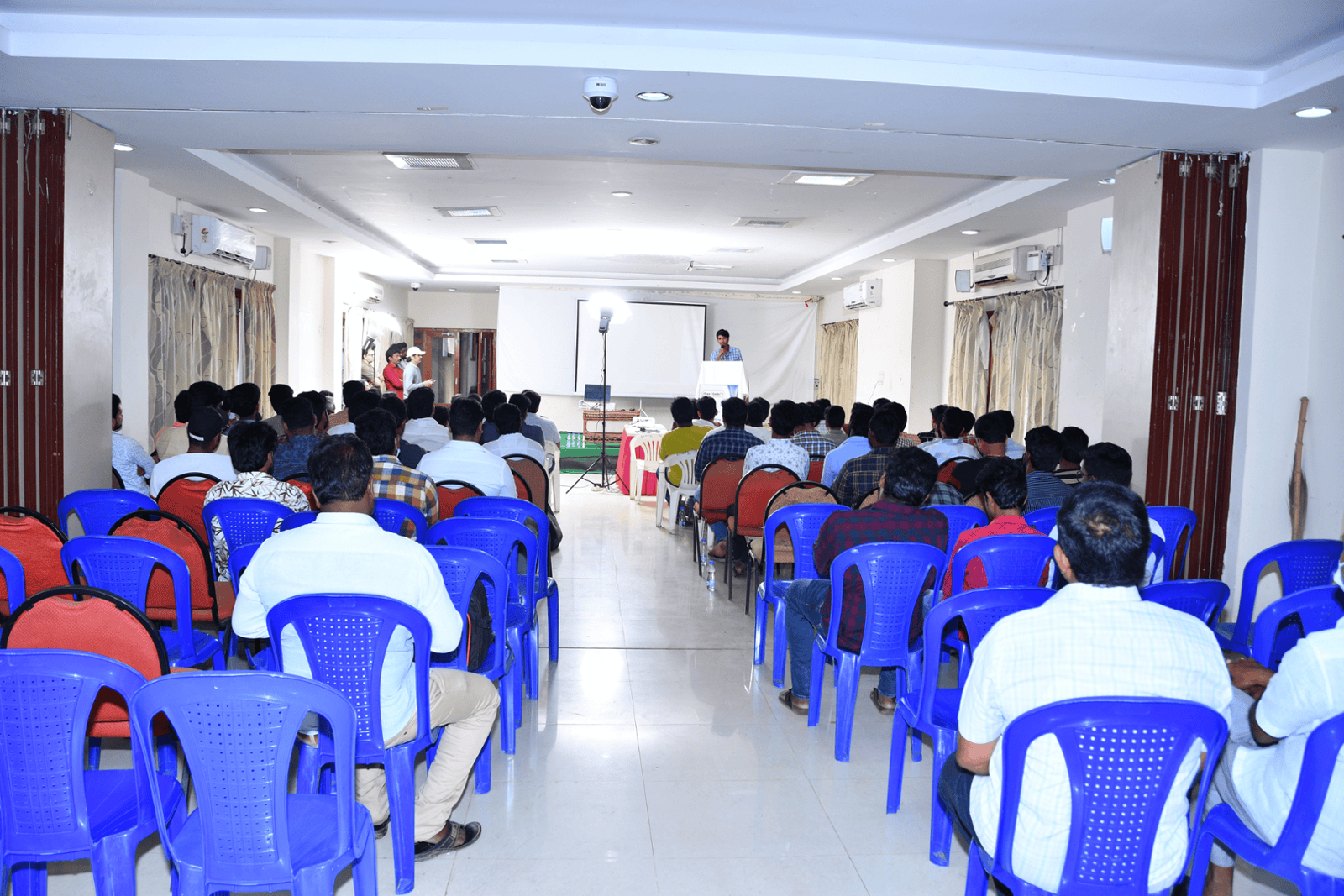
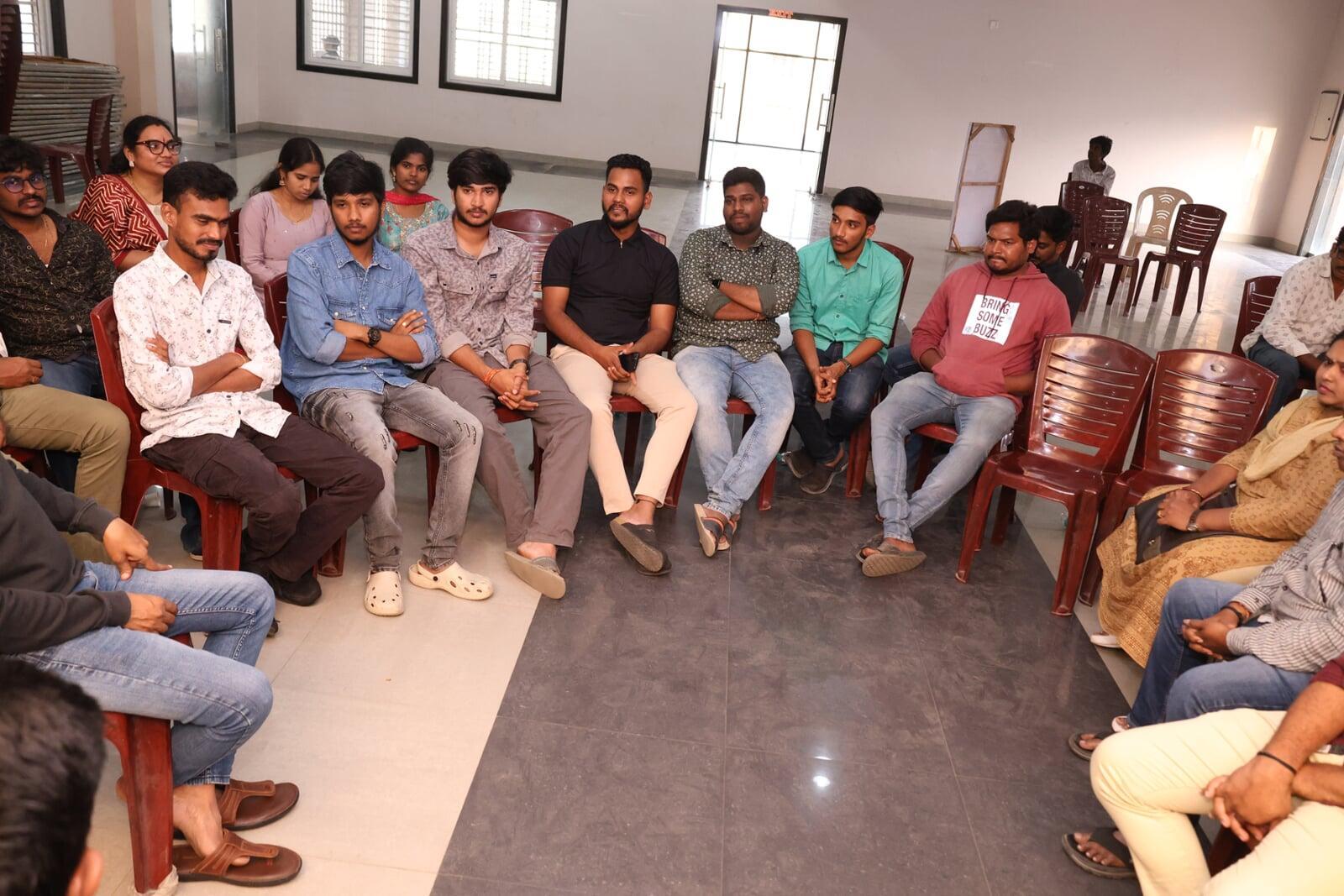
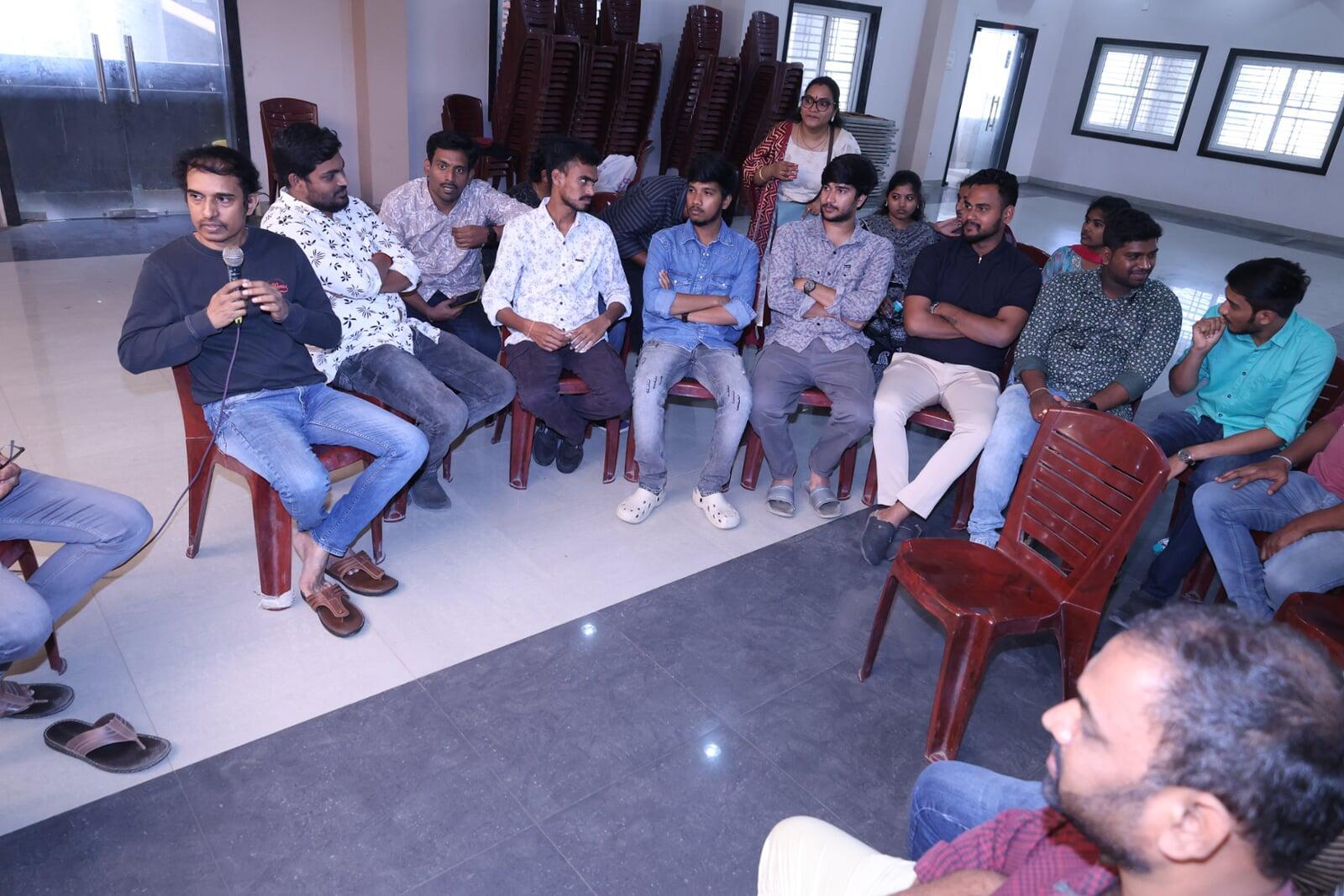
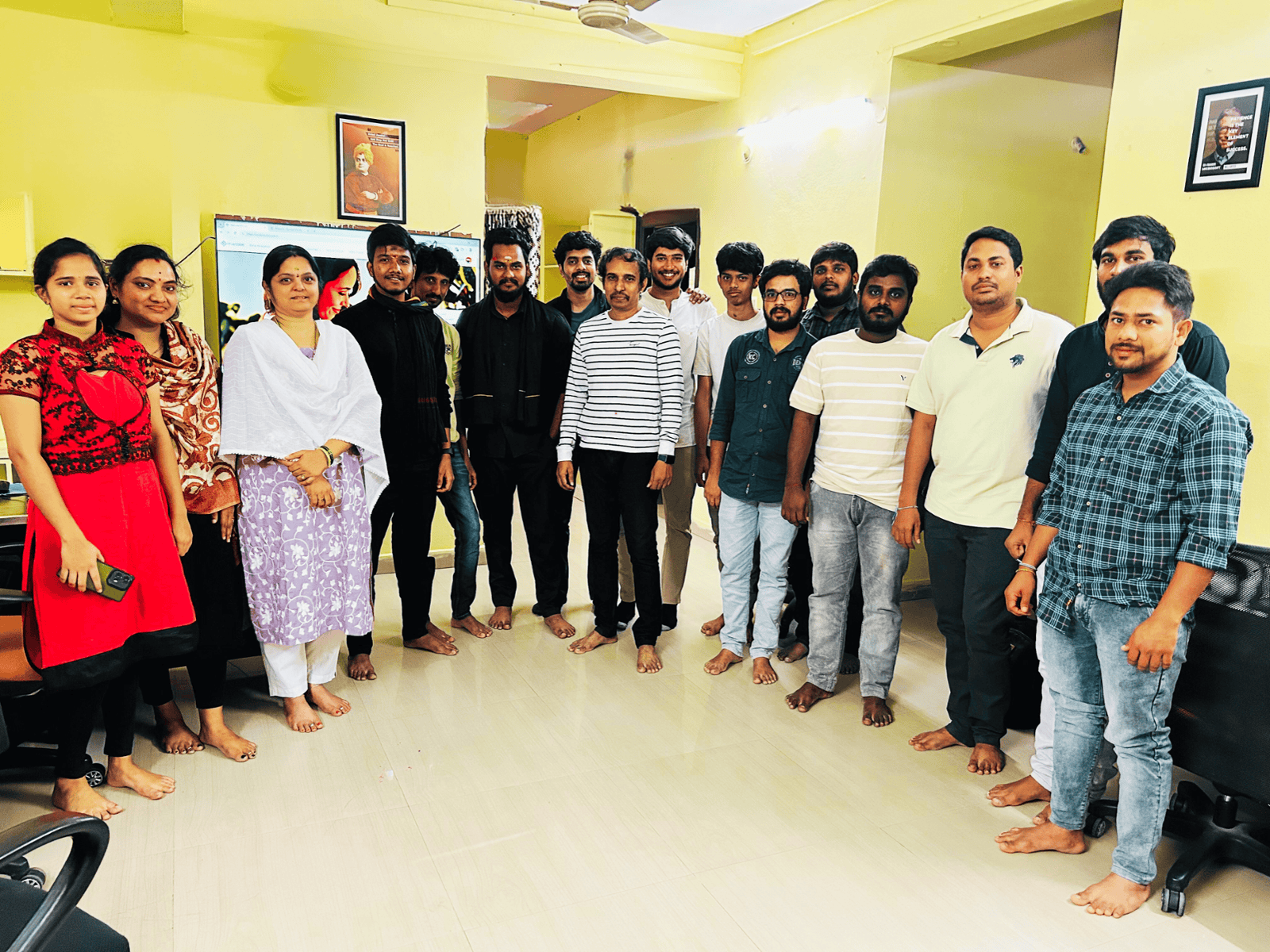
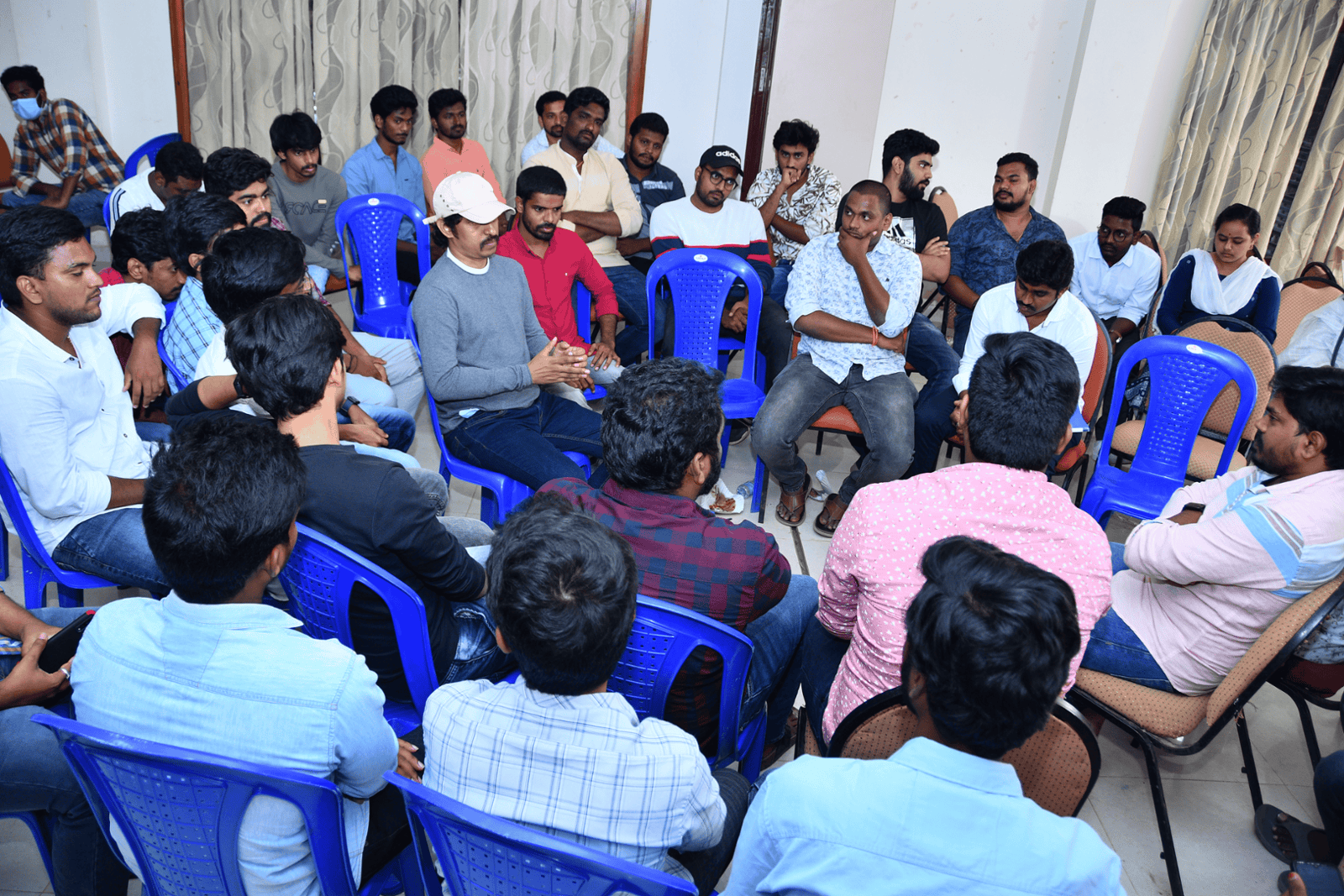
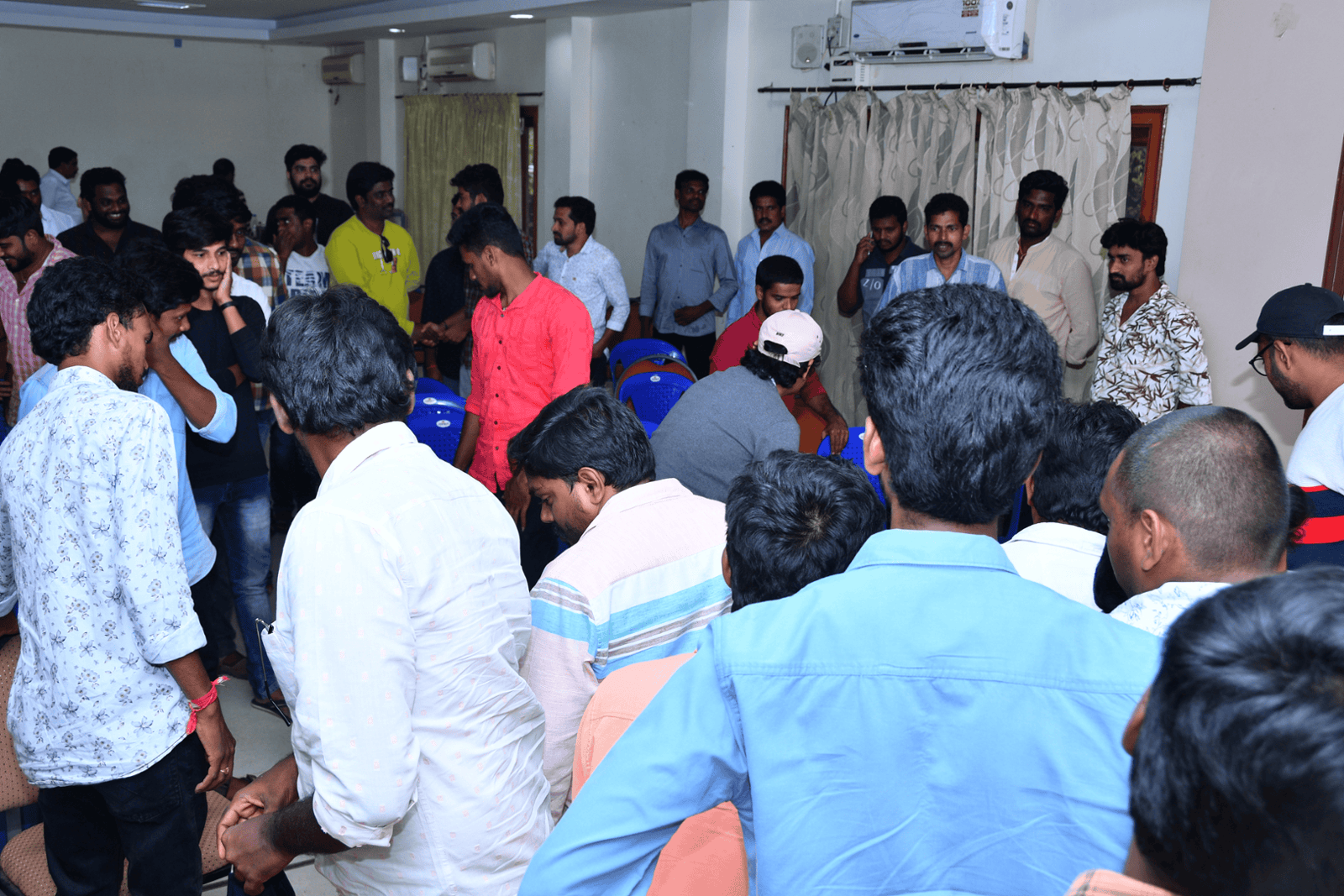
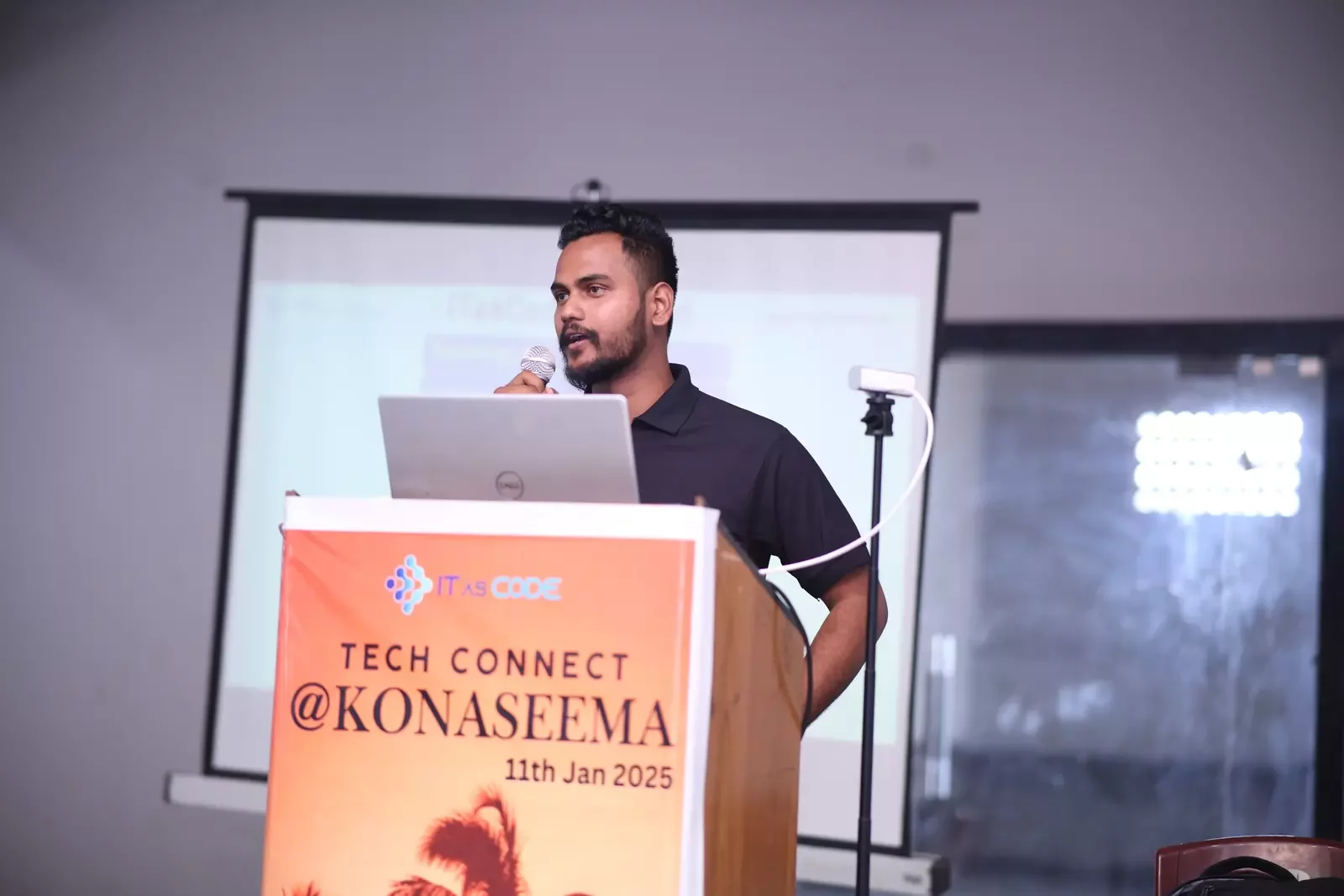
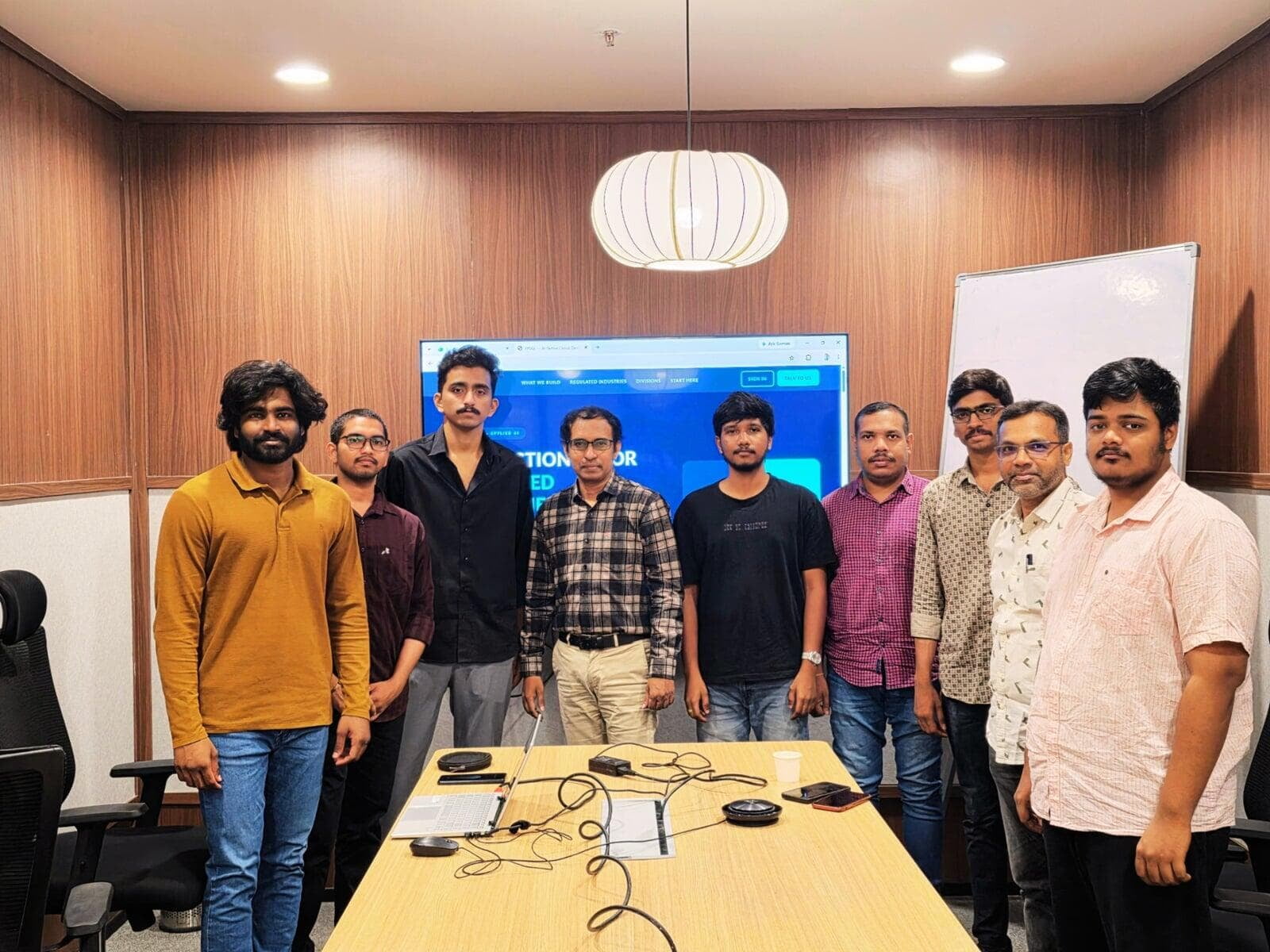
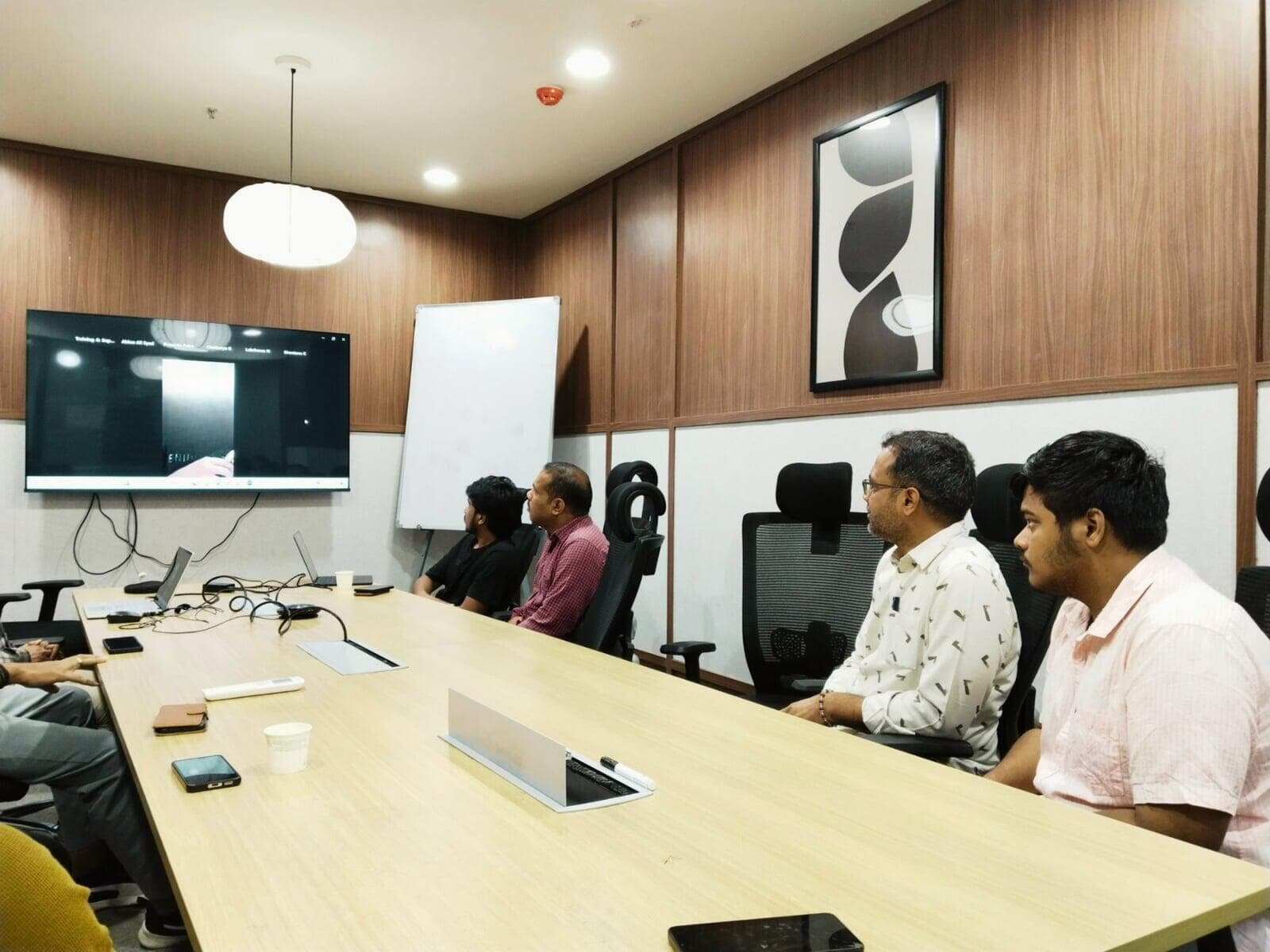
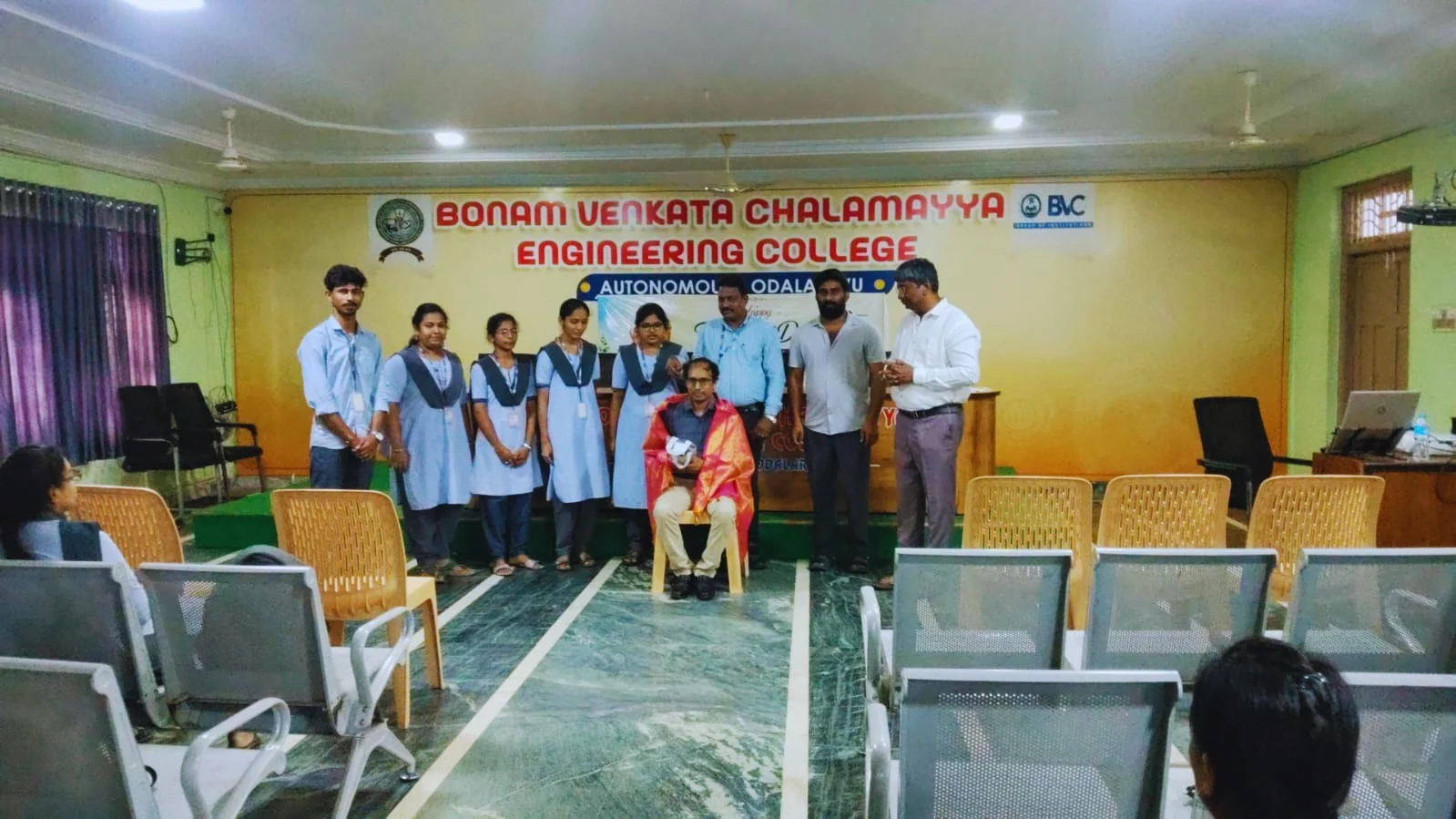
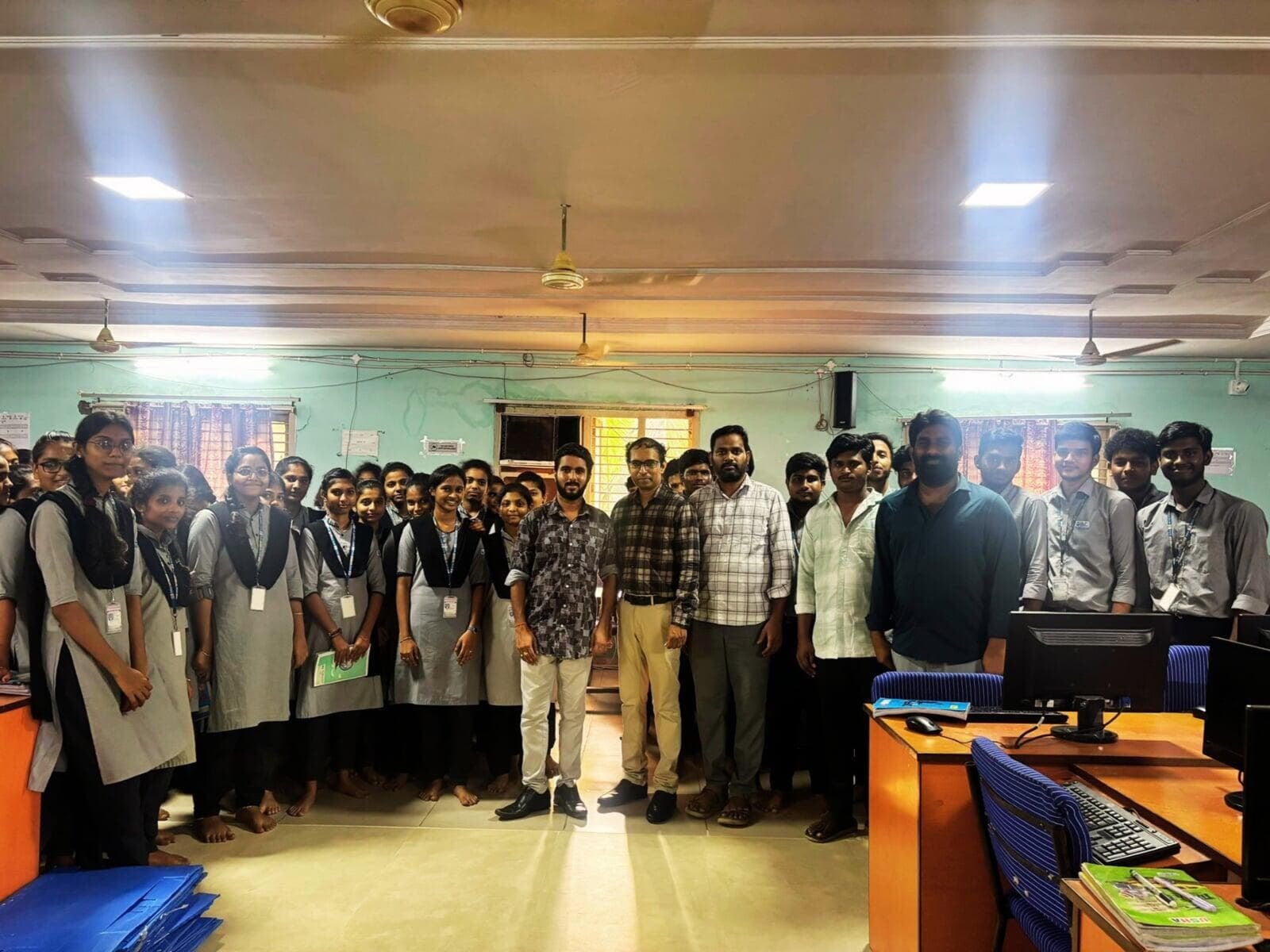
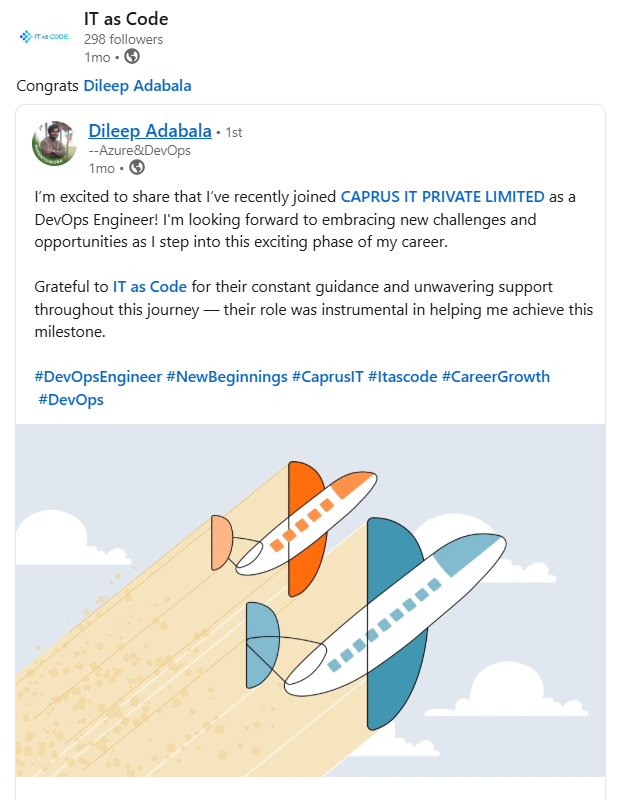
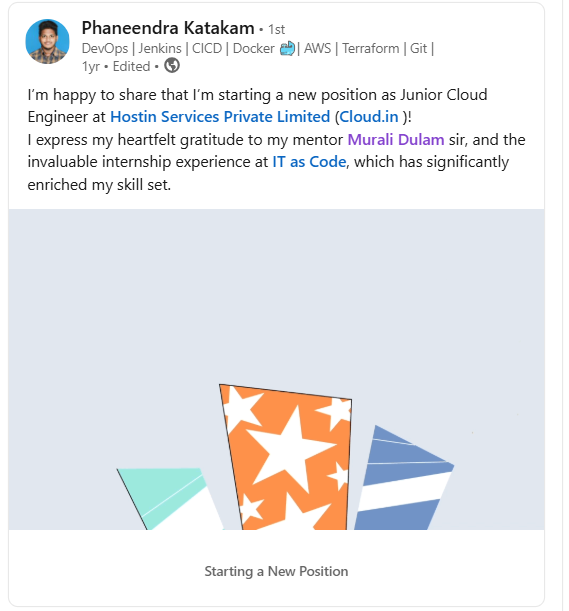
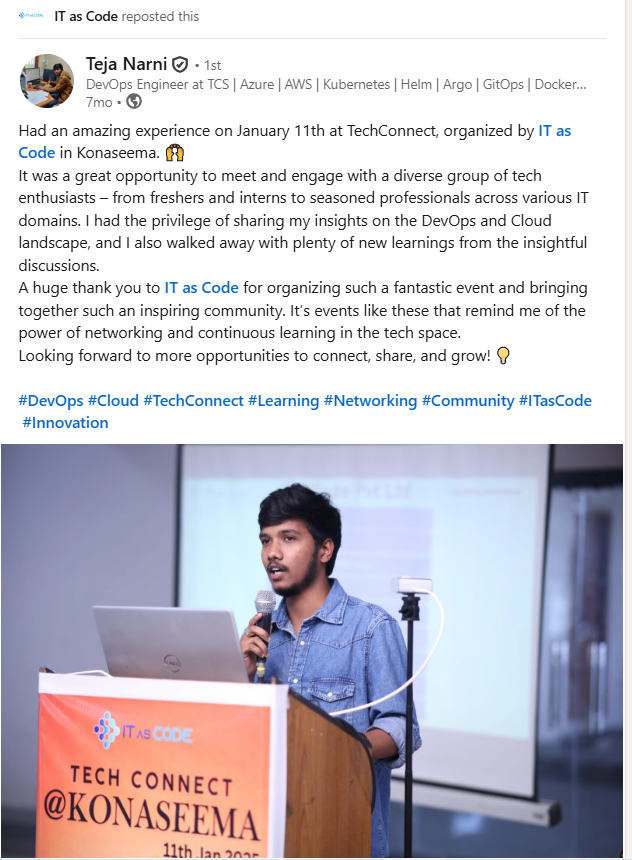
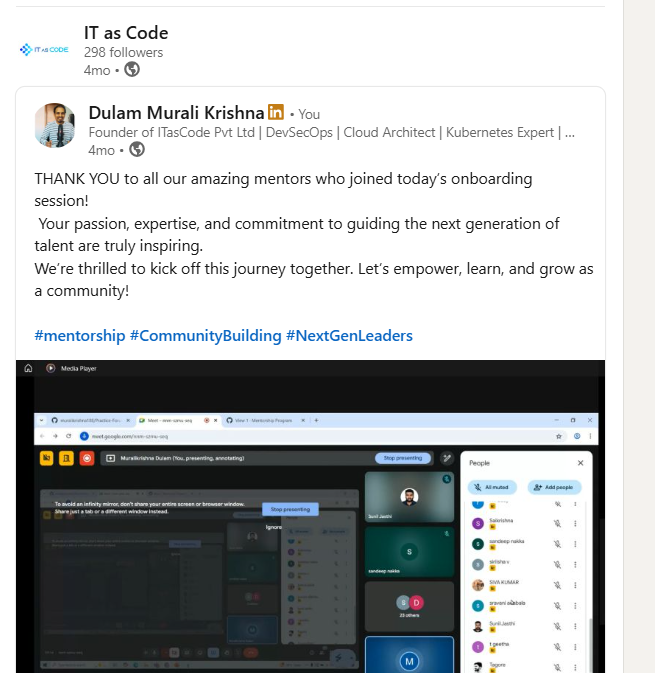
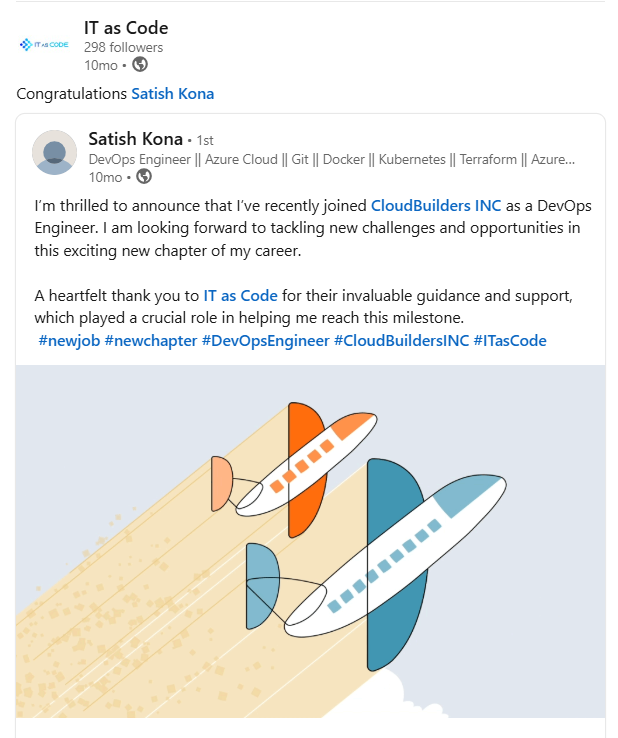
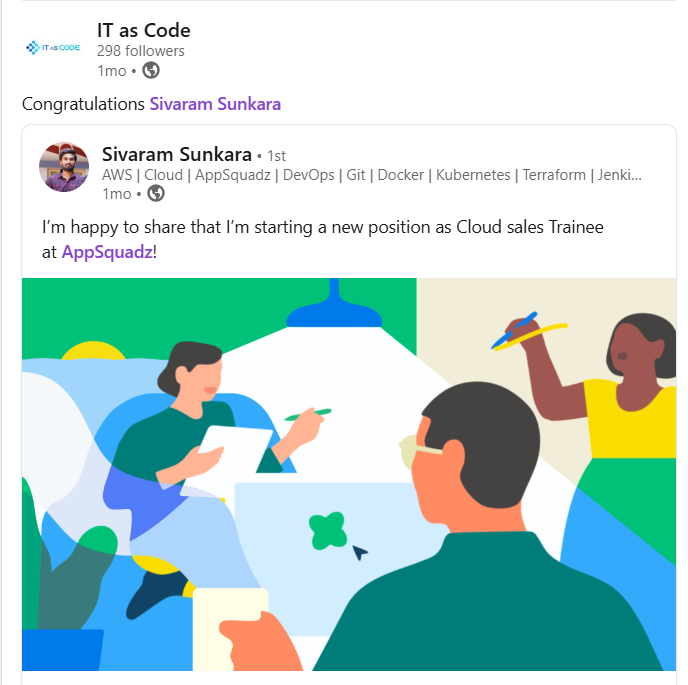
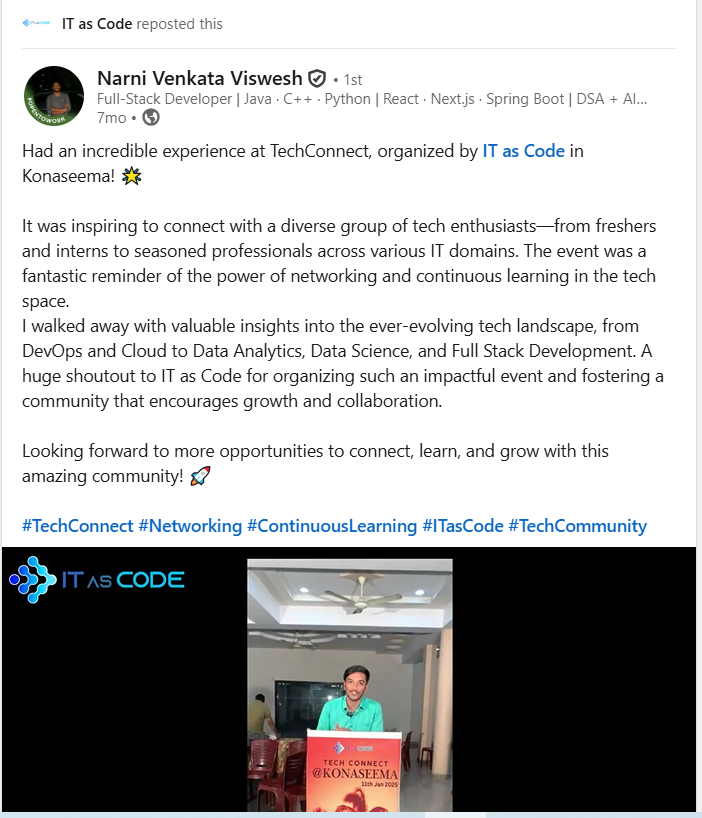
Our Students at Work


Our Achievements
- 5,000+ learners from 11 countries
- 1,000+ member alumni community
- 100+ Batches Delivered

How it’s taught
- Live, instructor-led sessions, not recordings
- Hands-on labs in every session: you containerize, deploy, and troubleshoot real workloads on live Kubernetes clusters; you don’t just watch
- AI era relevance: the labs follow the same workflows platform teams run in production, from building lean Docker images to scaling model endpoints with Kubeflow and securing service traffic with Istio, so the habits you build transfer directly to your job
- Exam-style CKA practice throughout, plus a structured path toward a deployed, portfolio-ready capstone project, so you finish with proof of skill and a credential-ready foundation, not just a certificate of attendance
"Our motto: build confidence you can defend"

- Confidence comes from doing, not watching — clarifying every doubt and practicing more than the minimum
- Every topic ends in implementation and presentation, the same way you'll defend it in a technical interview
- Hands-on skill + the ability to present it is what turns a certificate into a job offer
- Training, practice, feedback, and networking stay tightly connected, so gaps get caught and closed in real time
- You walk in ready to speak to your work with confidence — not just to say you completed it
Our Learning Methodology
We don't run a fixed syllabus and hope it fits — we build the path around you, and check in often enough to keep it on track:
- 1-on-1 assessment at joining — before training starts, we understand each candidate's technical strengths and weaknesses in detail, and build a personalized learning roadmap from there
- Structured 21-day learning cycles — each cycle combines focused training, daily practice sessions, and a hands-on project for every topic
- Daily practice sessions, 10 AM – 6:30 PM, via Google Meet — consistent, live practice time built into every cycle
- A hands-on project for every topic — so each concept is implemented, not just covered
- Mock interviews every 15 days — so interview readiness is built in throughout the course, not left until the end
- Review sessions every 21 days, for the full duration of the course — starting with the initial assessment at joining, we review progress against the roadmap every 21 days after that, identify gaps, and adjust the plan before moving into the next cycle
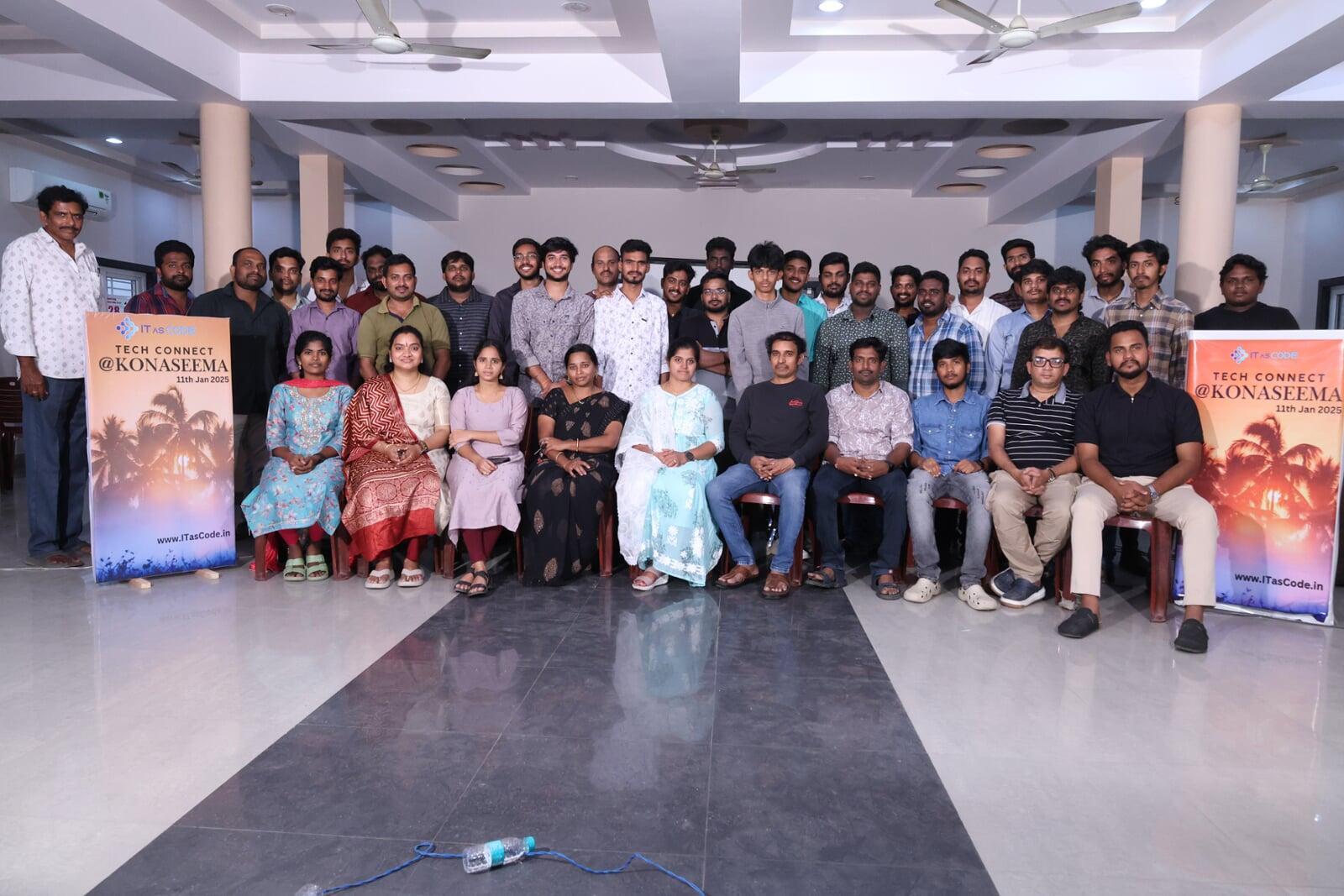
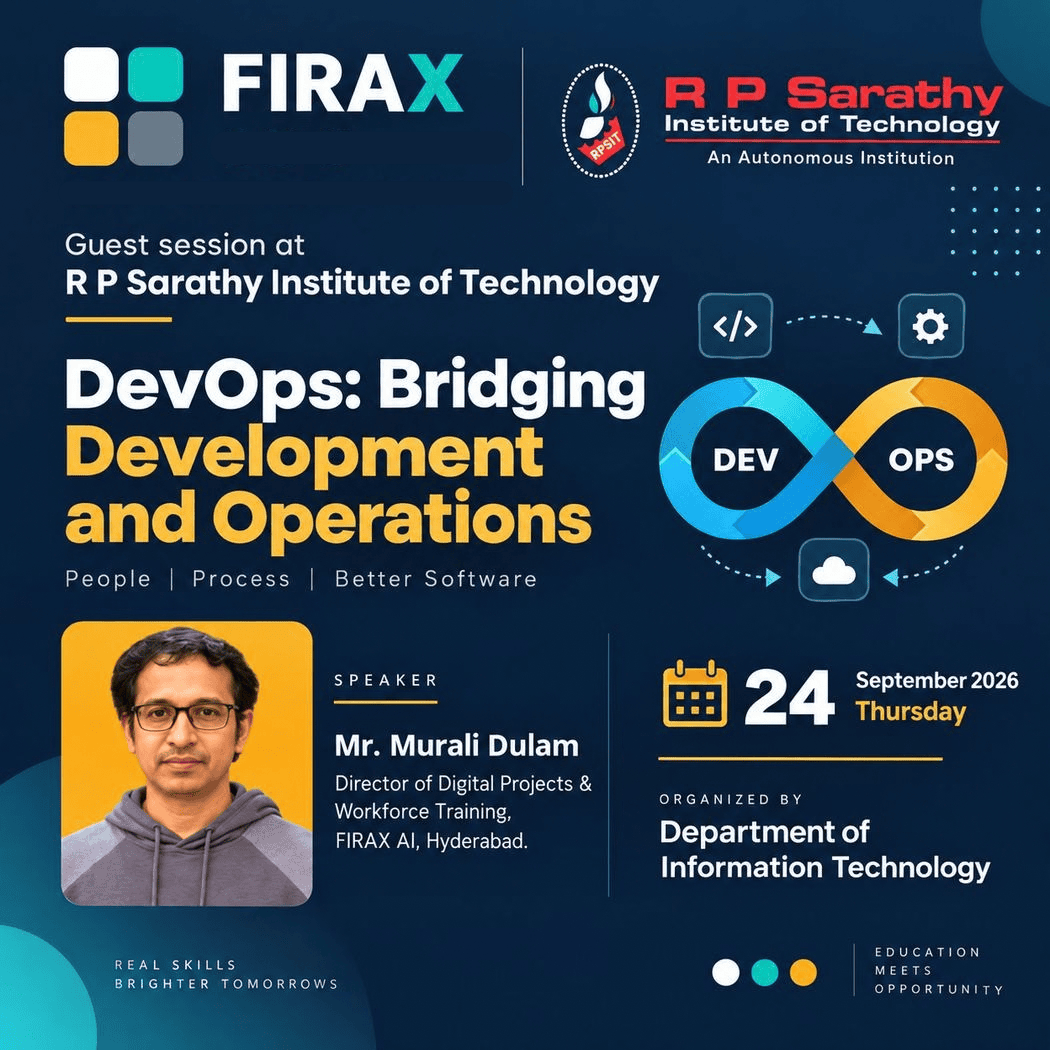
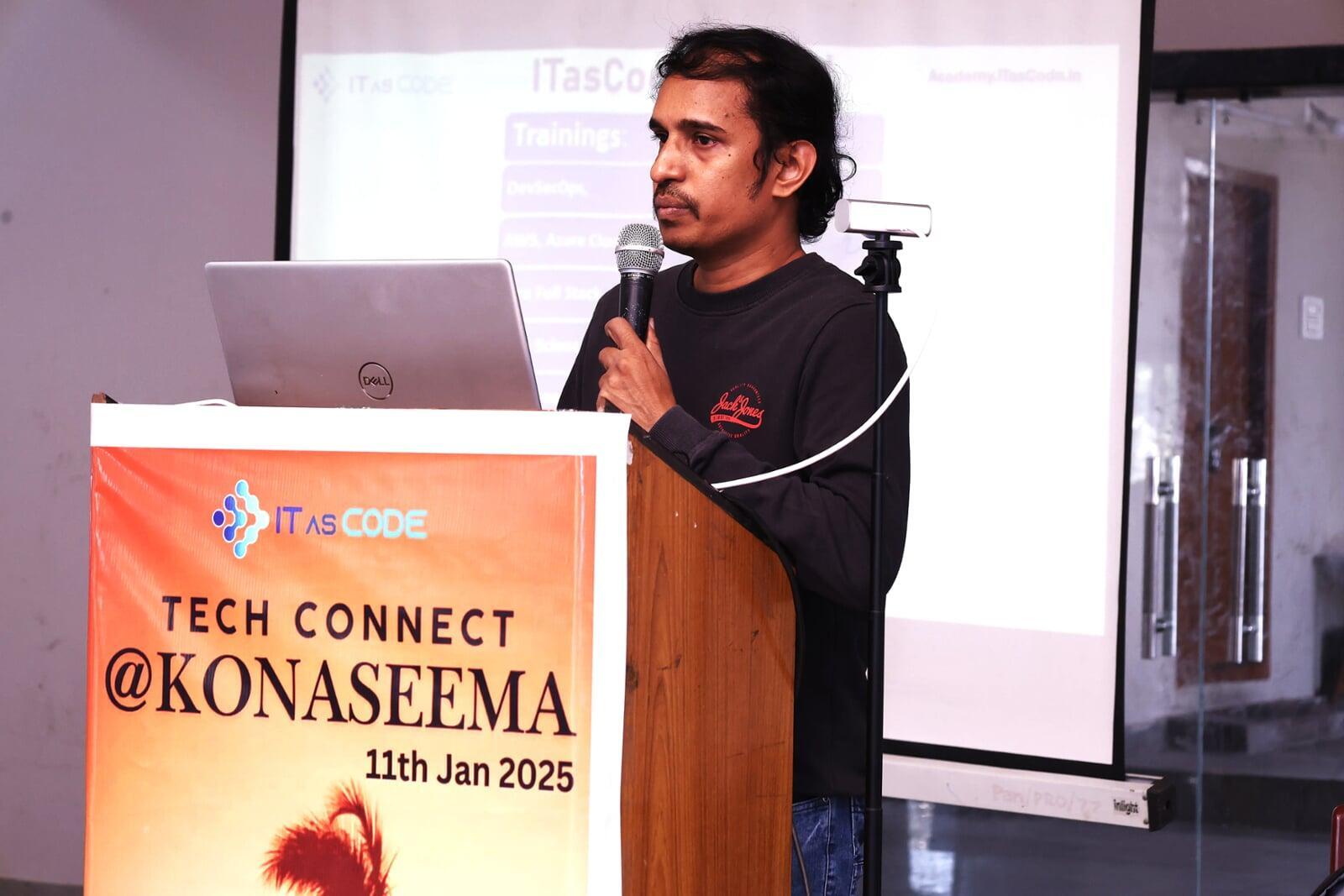
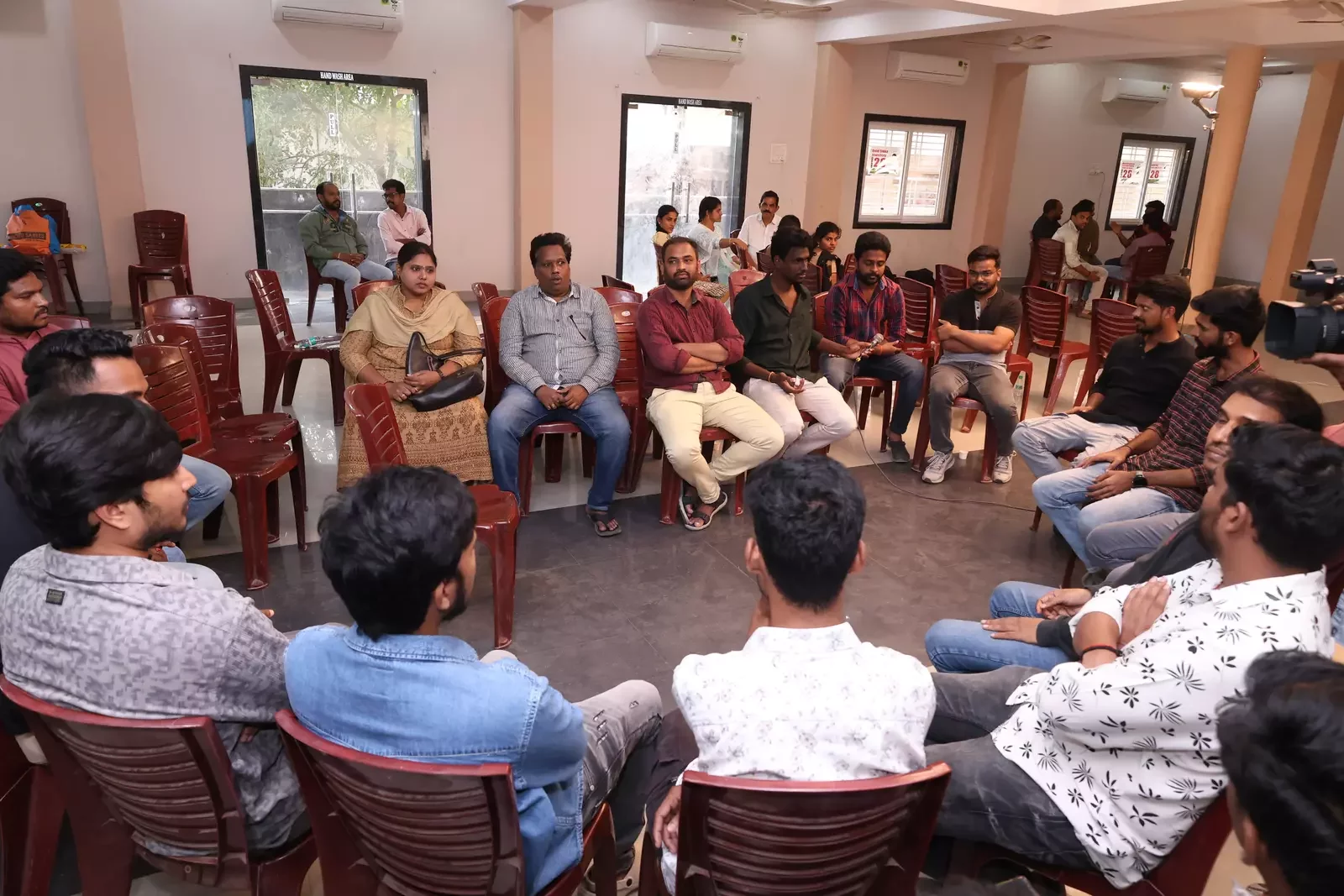
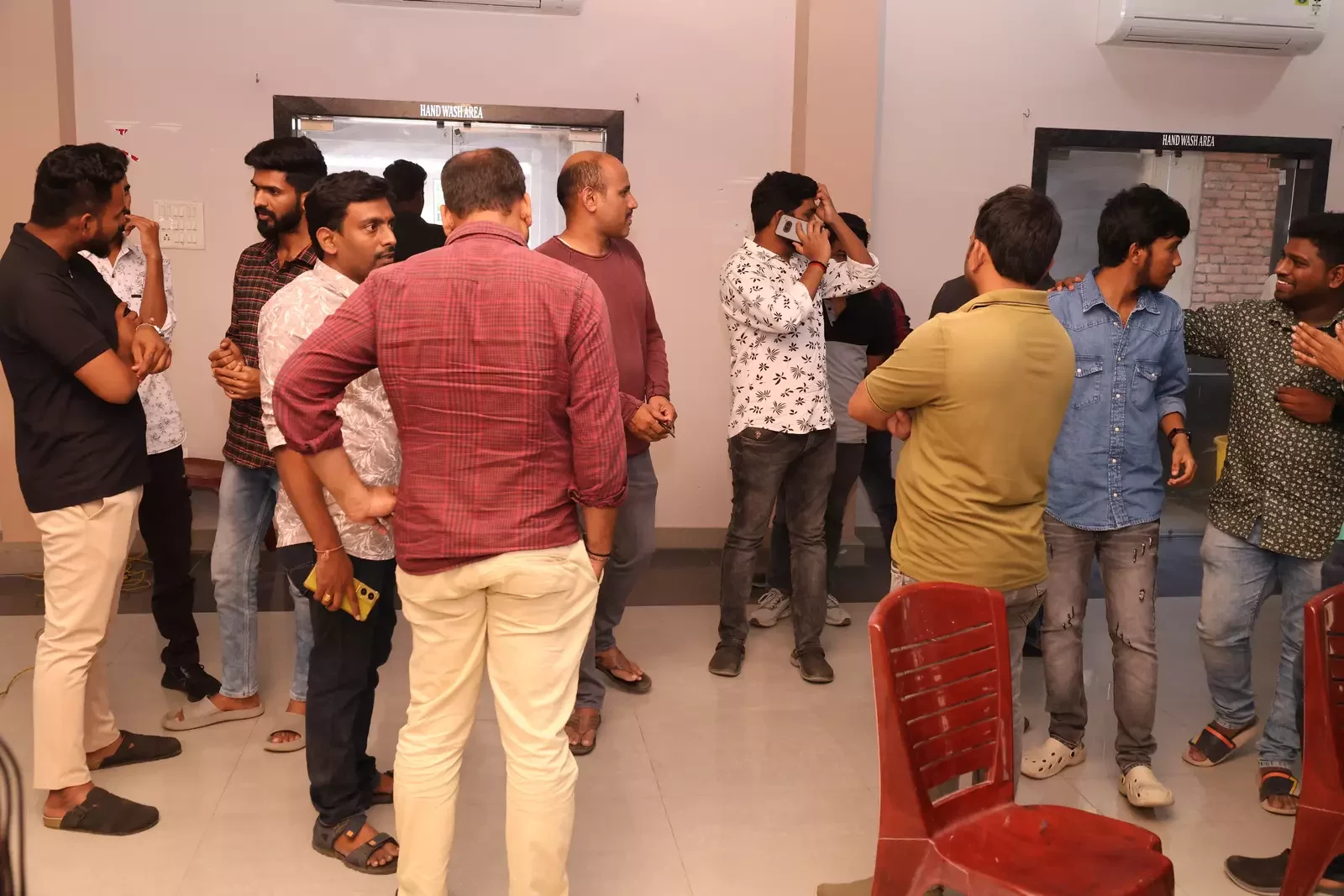
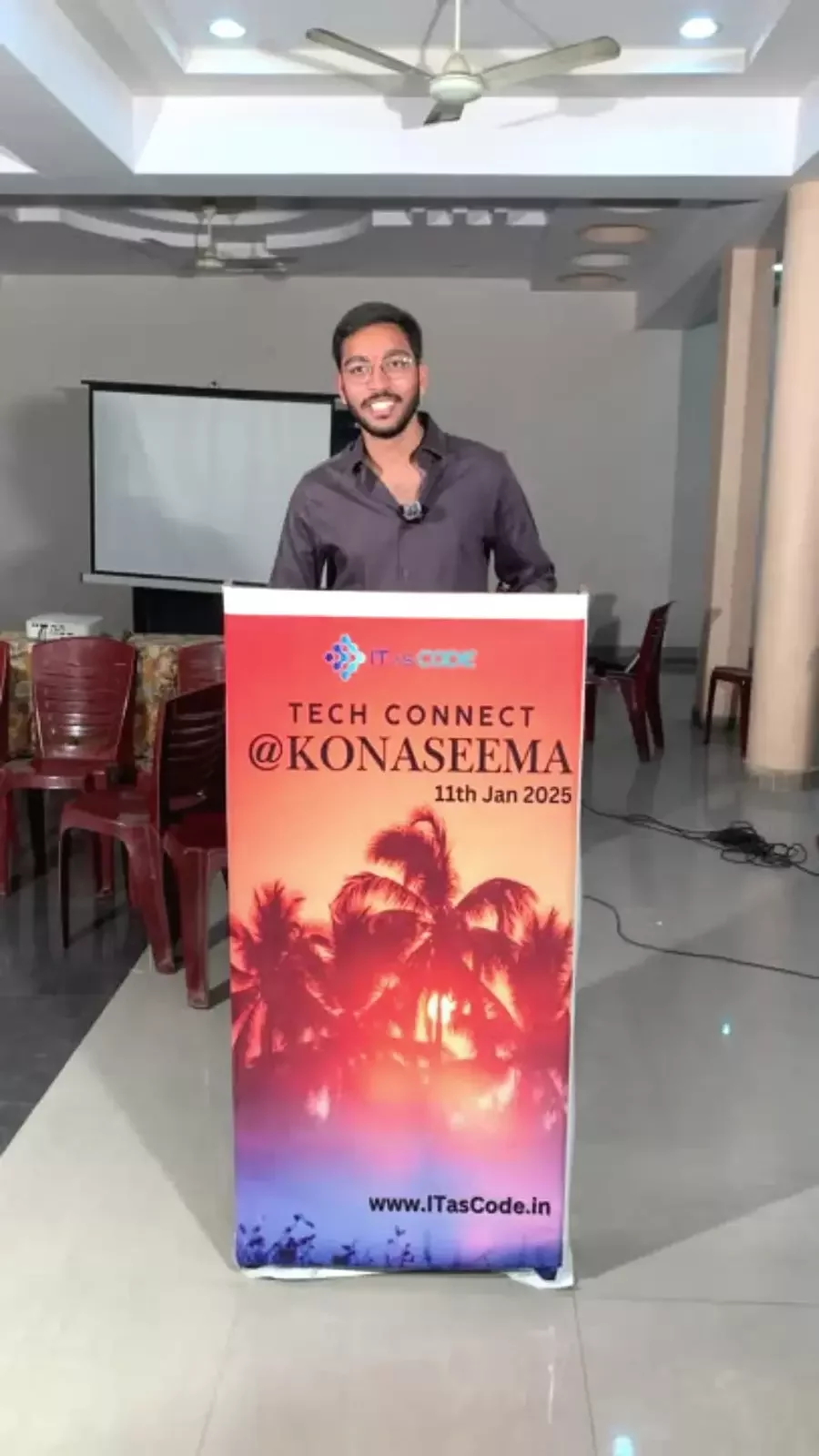
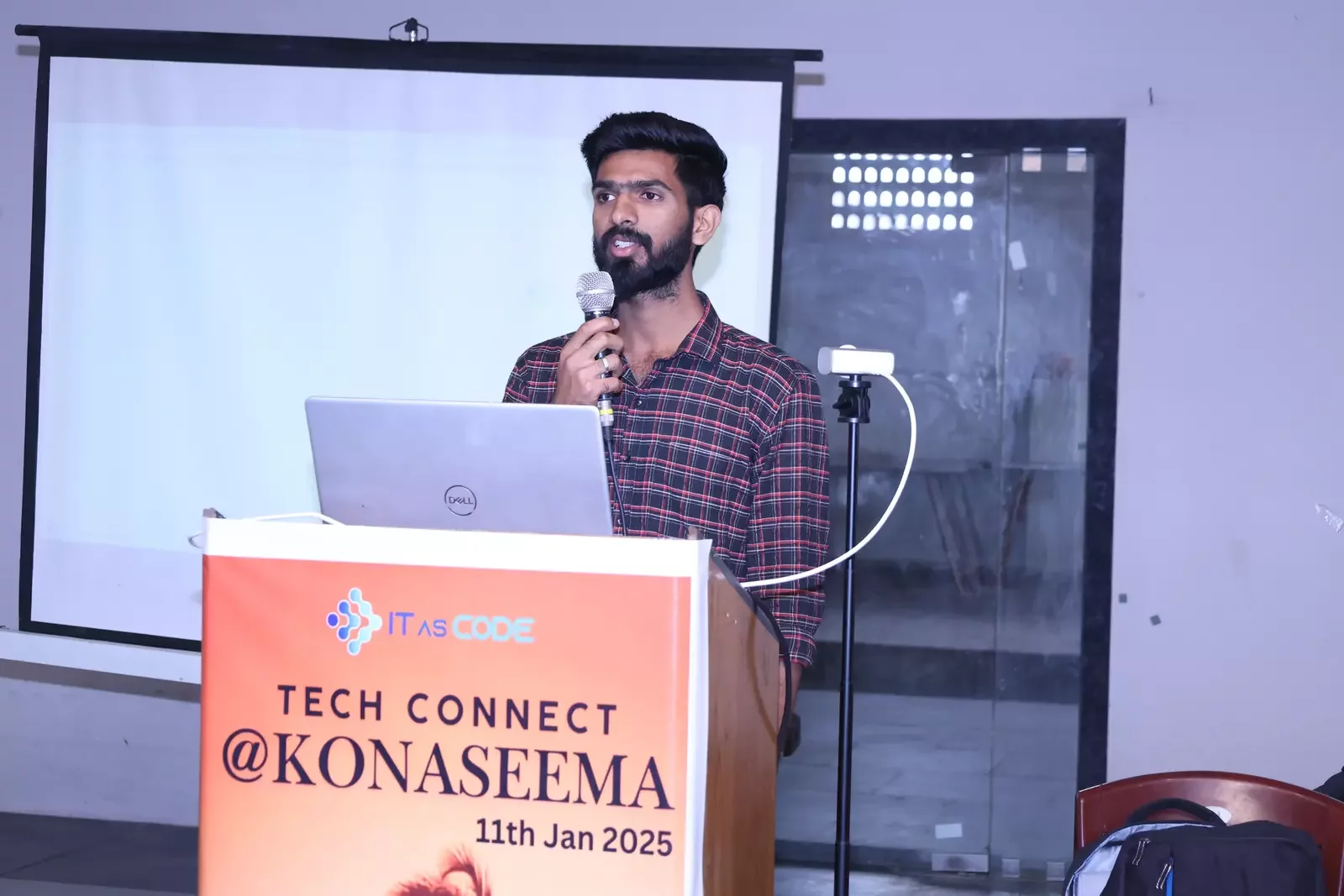
- Monthly tech meetups with senior leaders and senior engineers — for networking, exposure to real industry perspective, and building the connections that matter when it's time to look for a role


 Who should join
- Cloud, DevOps, and infrastructure engineers who want to move into higher-paying, AI-adjacent roles
- System administrators and IT support staff ready to add containers and Kubernetes to their skill set
- Database administrators and data teams who want to run databases, vector stores, and data pipelines on Kubernetes and support AI workloads
- Storage and backup administrators who want to learn persistent volumes, storage classes, and how AI platforms handle large datasets and model artifacts
- Security and compliance teams who want to secure clusters, control access with RBAC, and protect service-to-service traffic with mTLS
- Network and platform engineers who want to understand cluster networking, ingress, and service mesh traffic
- Developers who want to understand where and how their applications actually run once deployed
- Working professionals, including those outside major cities, who want to upskill without quitting their job or relocating
- Anyone positioning themselves for the AI era, because every AI initiative needs people who can build, secure, store, and run the infrastructure underneath it