About Lesson
Why this course
- Every company doing AI right now is drowning in demos and starving for engineers who can actually deploy agents into production reliably, securely, at scale
- This role — the Forward Deployed Engineer — is one of the fastest-growing, highest-paid tracks in AI right now, and almost no training program teaches it end-to-end
- This course closes that exact gap — the production deployment skills behind agentic AI, not just prompt engineering or theory
Get complimentary access to Day 1 of our upcoming batch and experience our expert-led training firsthand. To continue from Day 2 onward, enroll by paying the course fee to unlock the full batch.
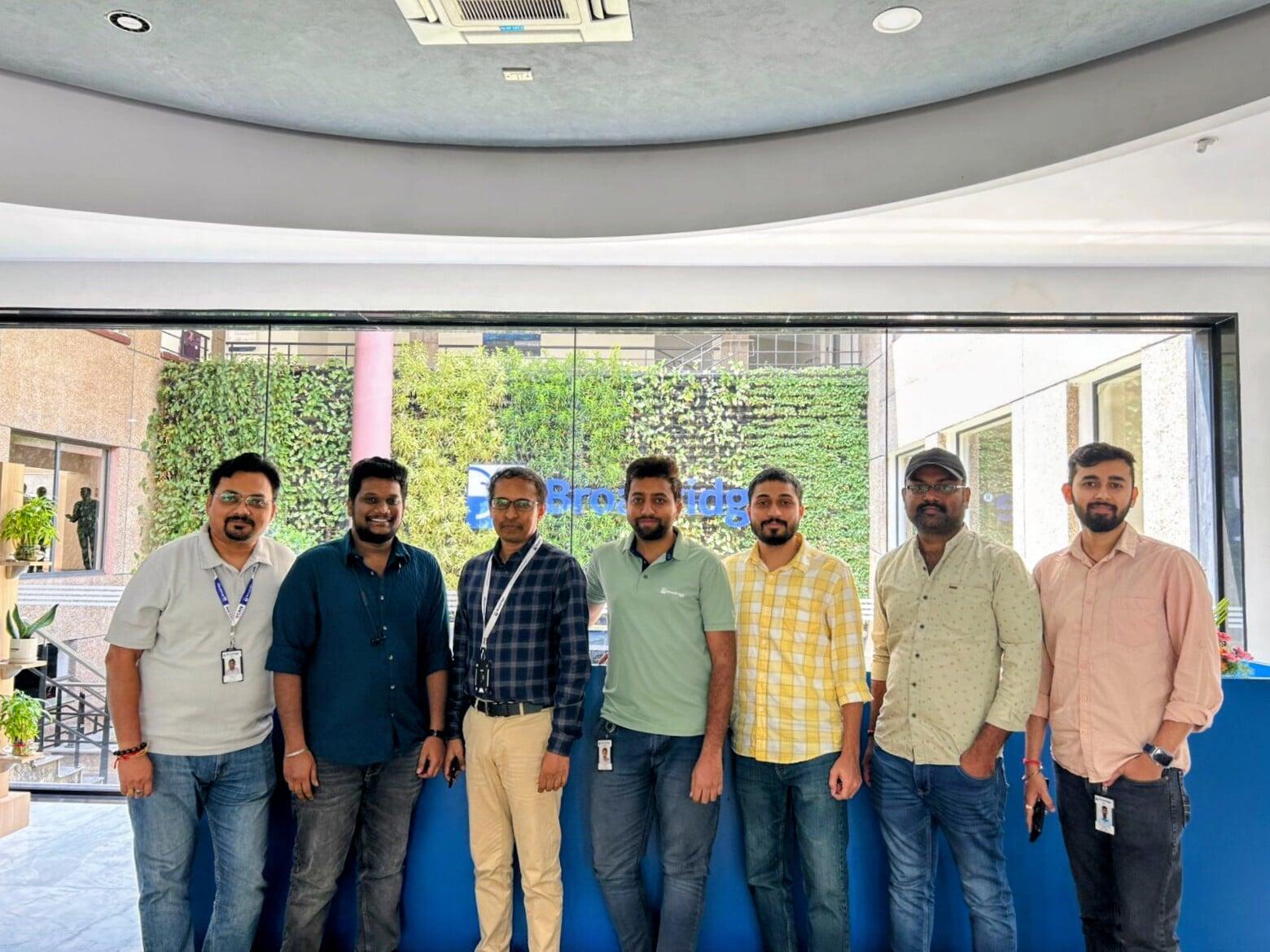
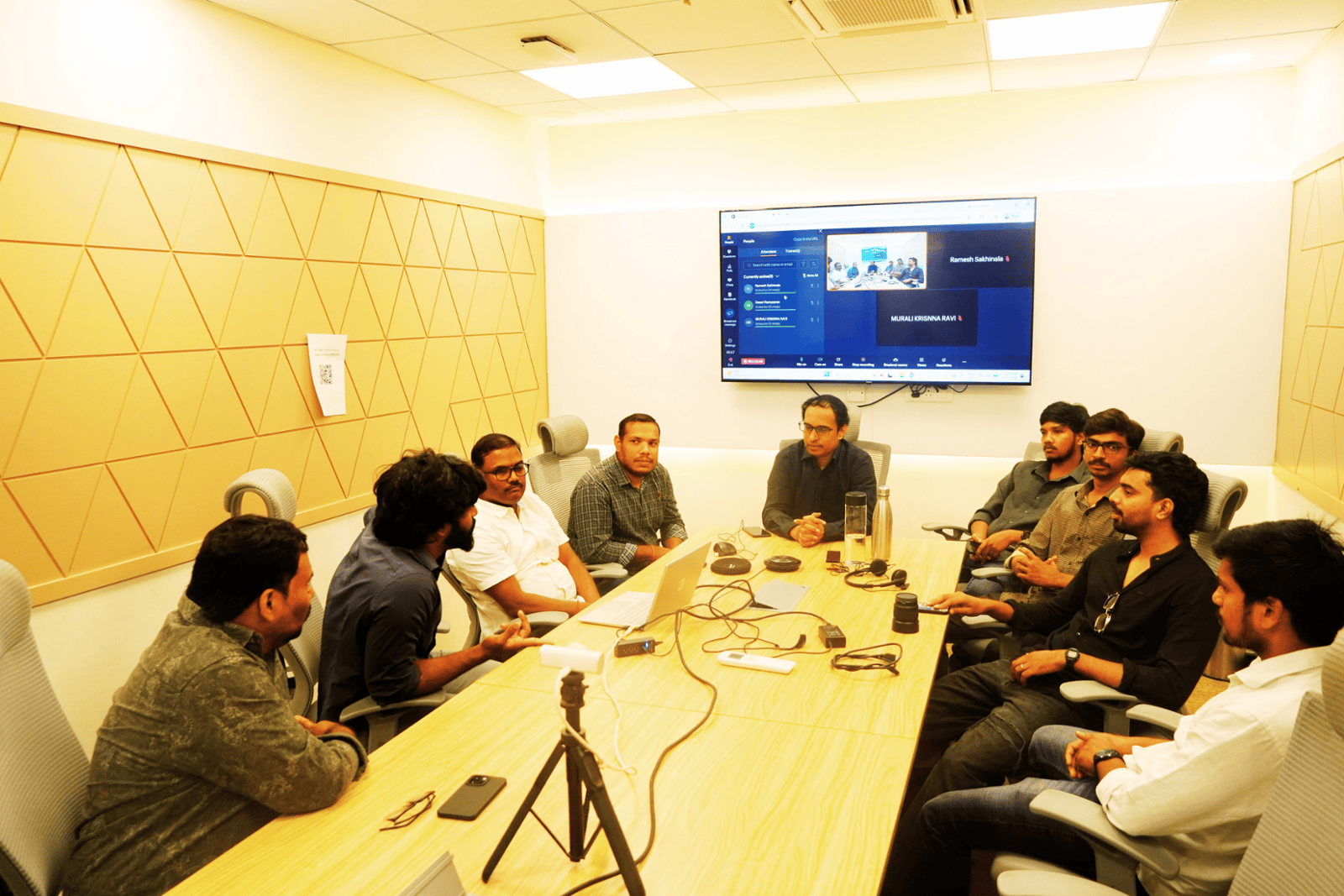
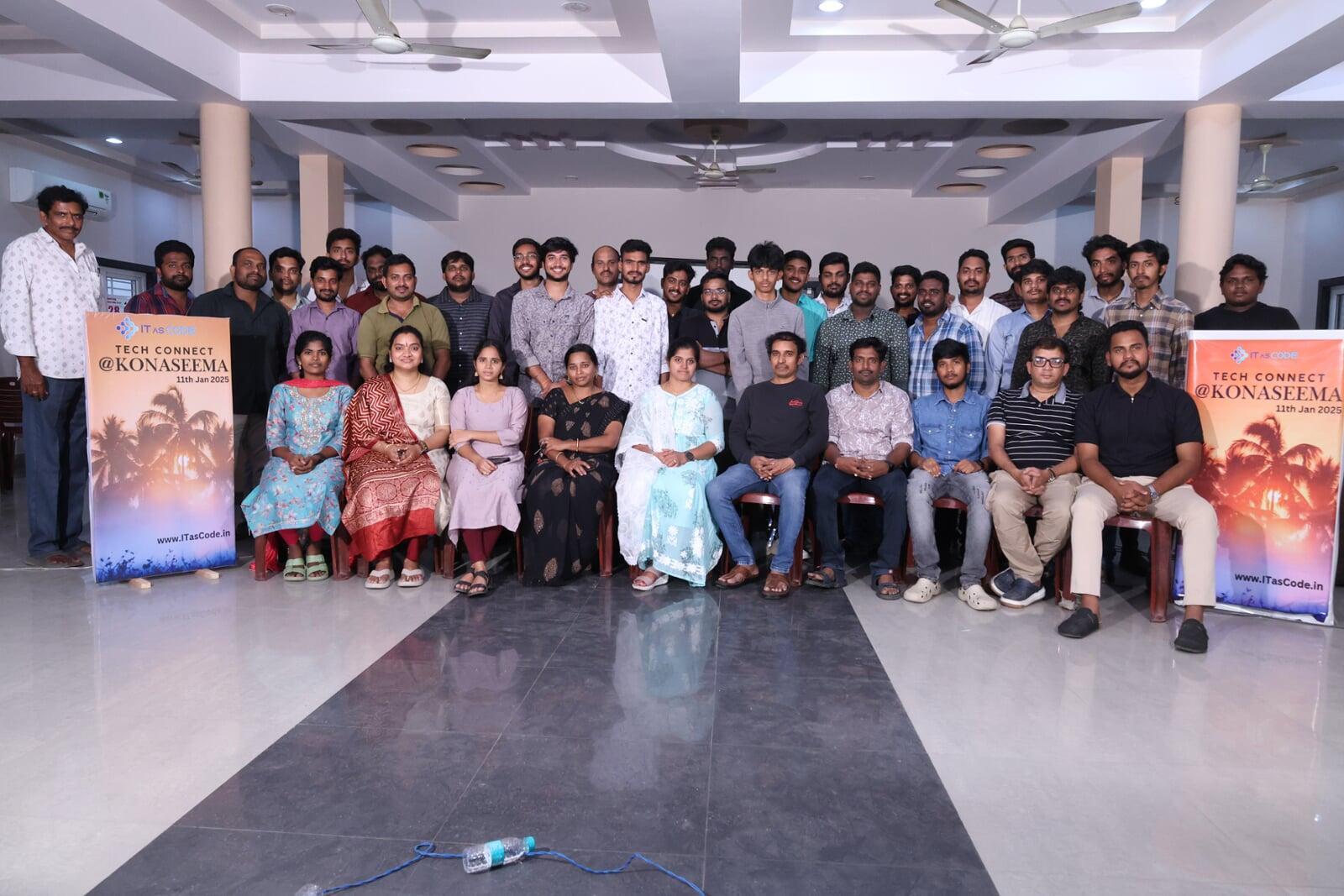
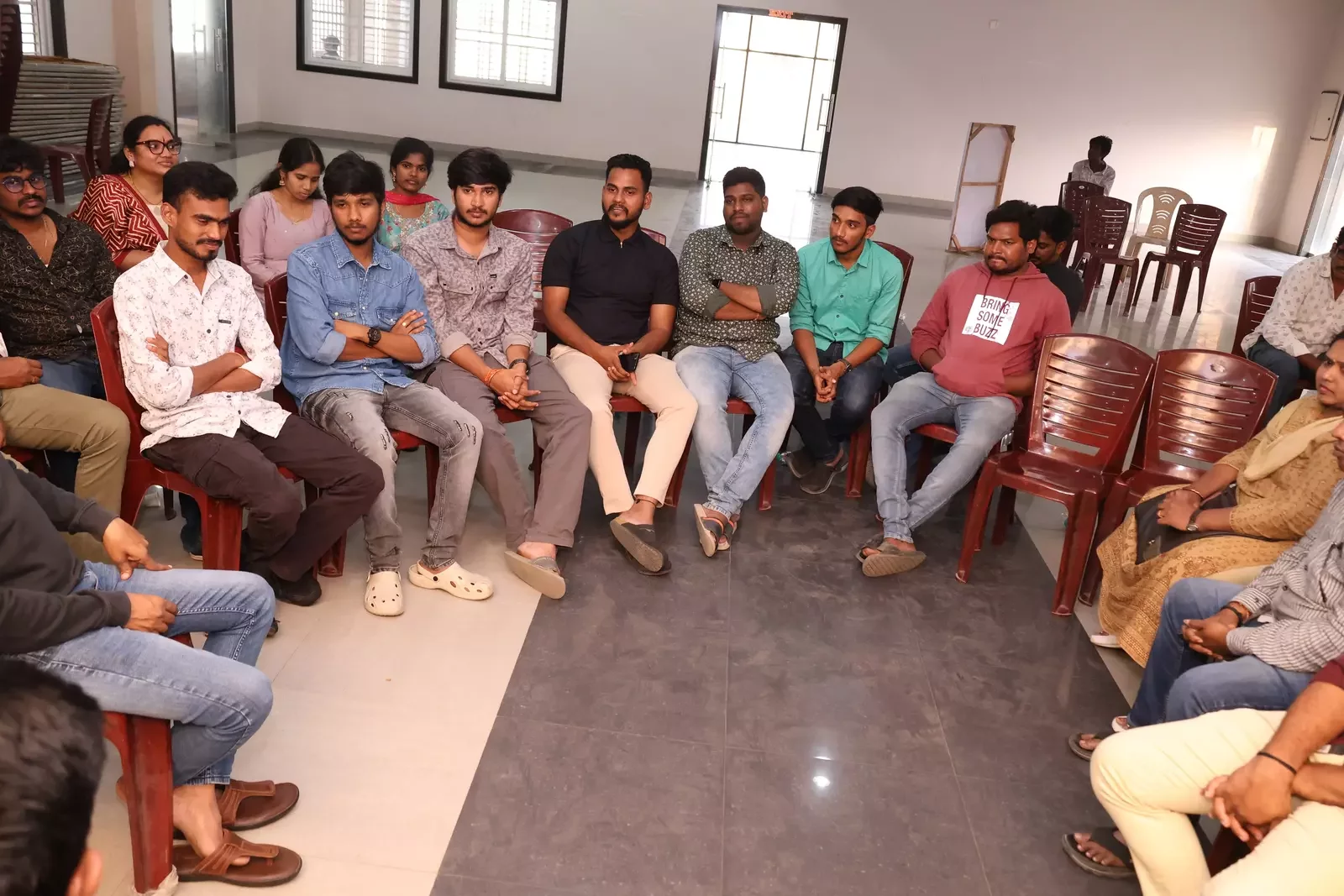
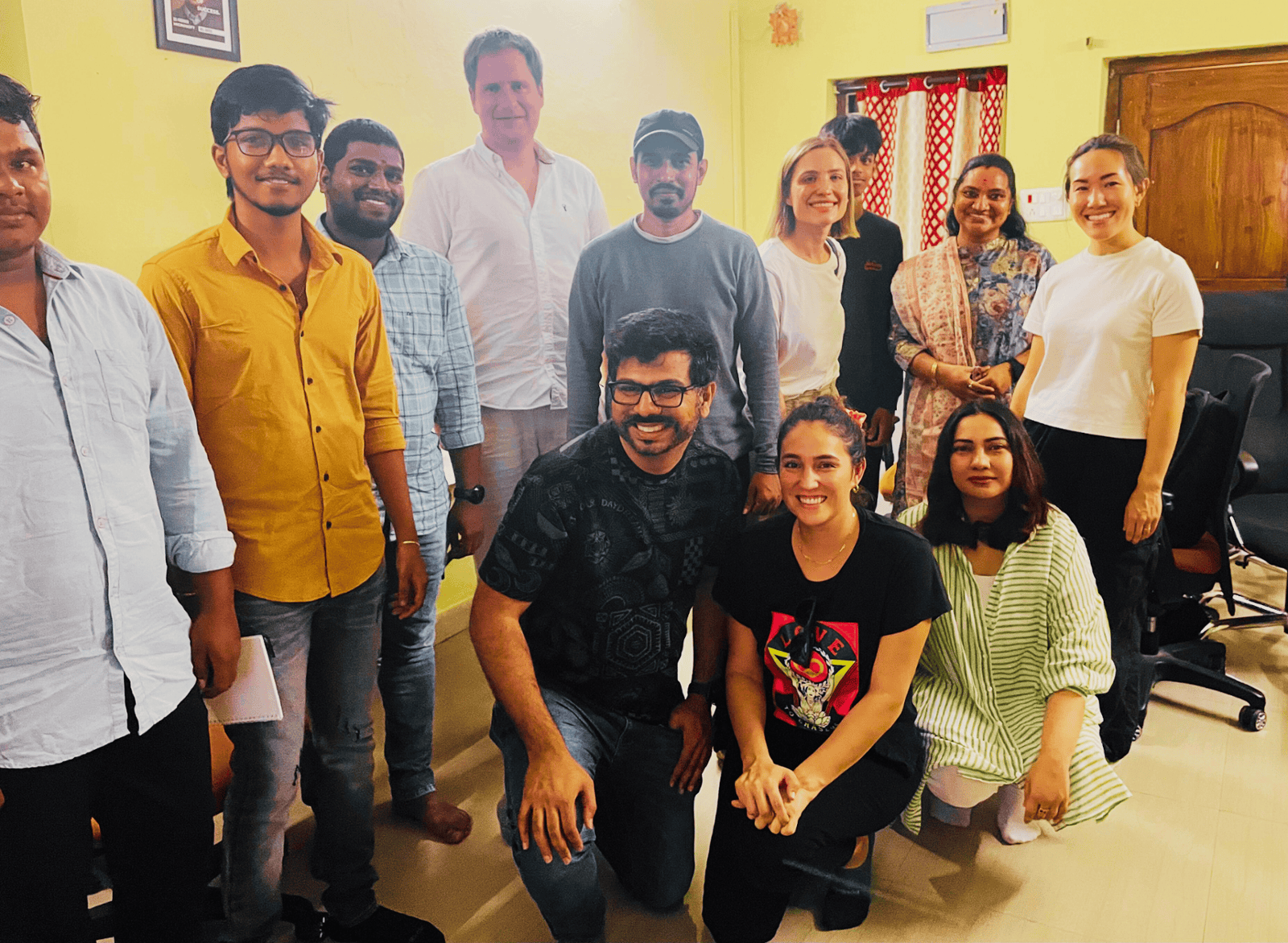
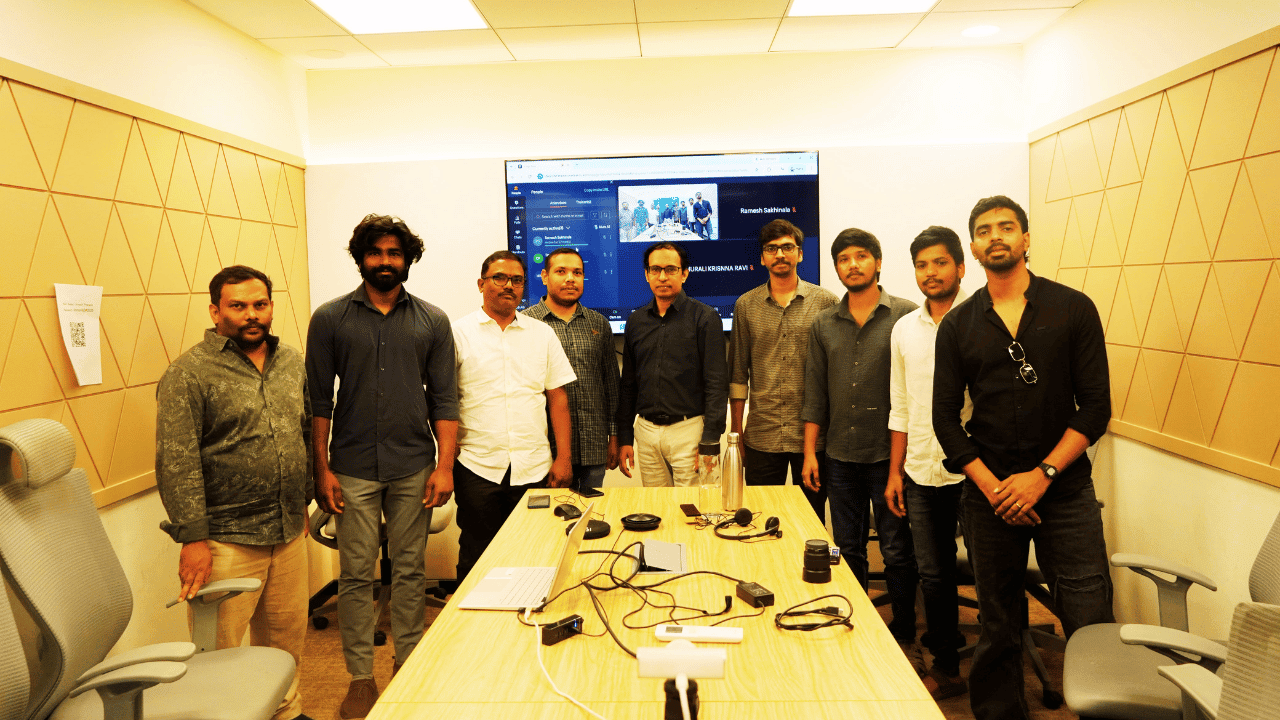
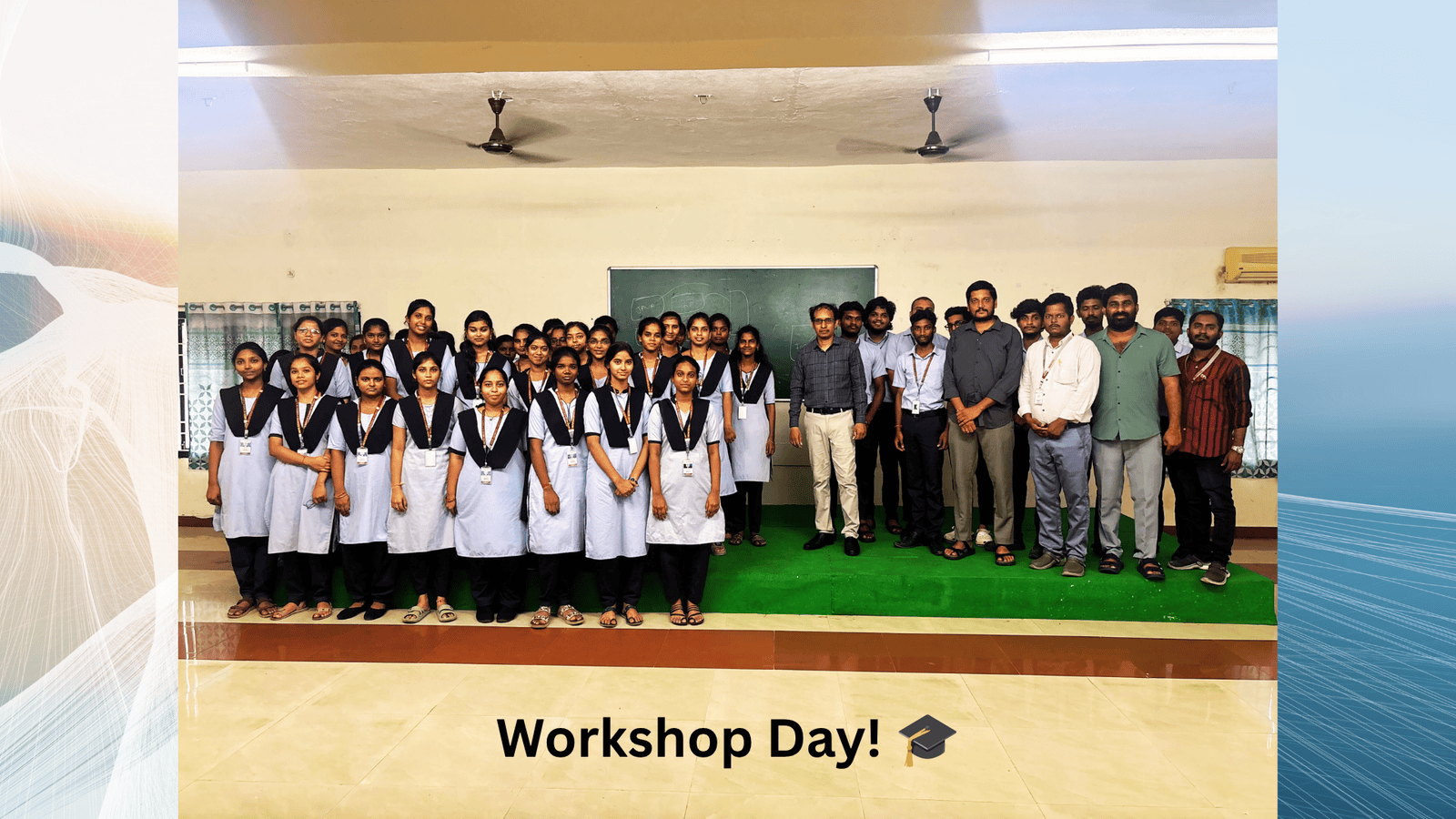
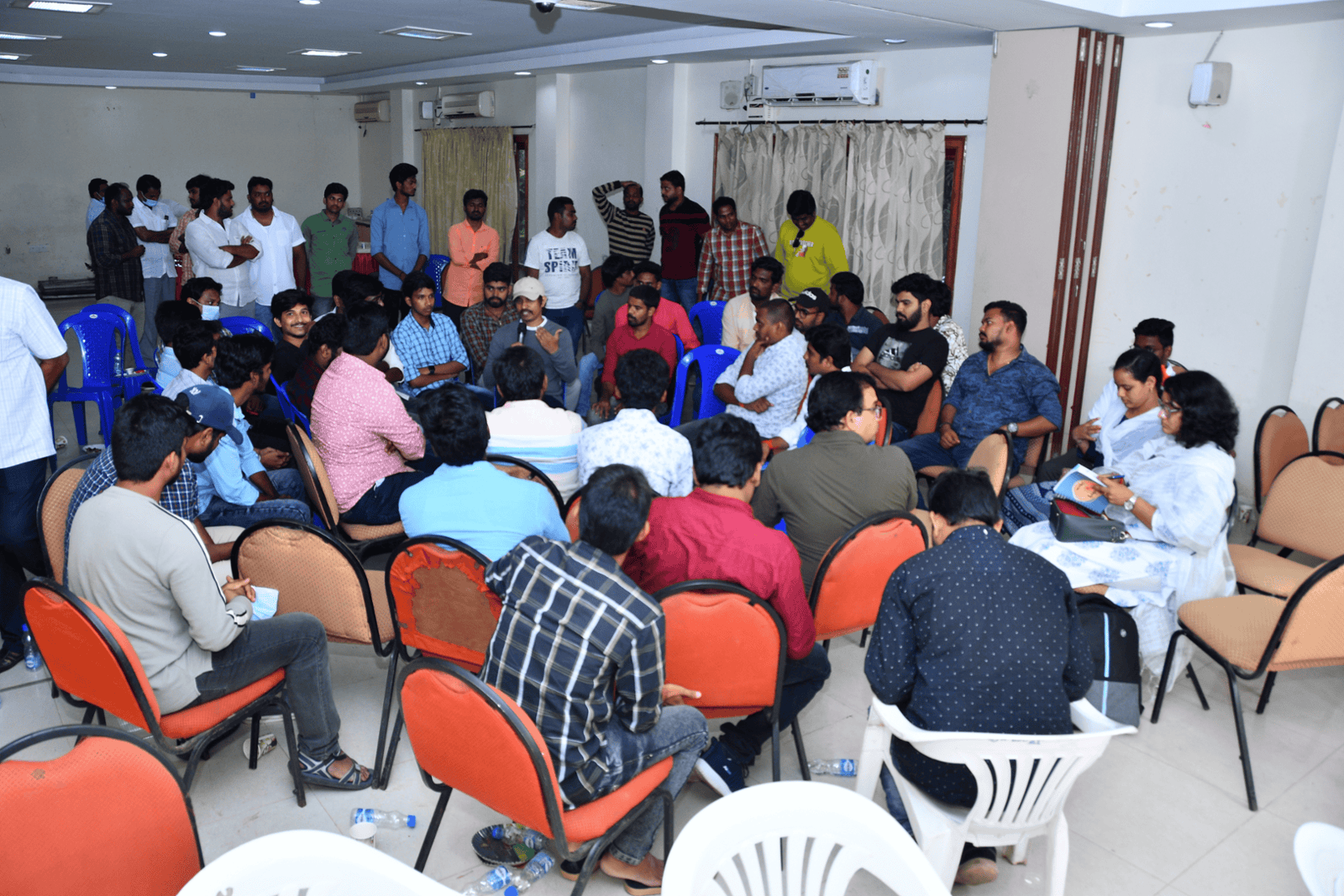
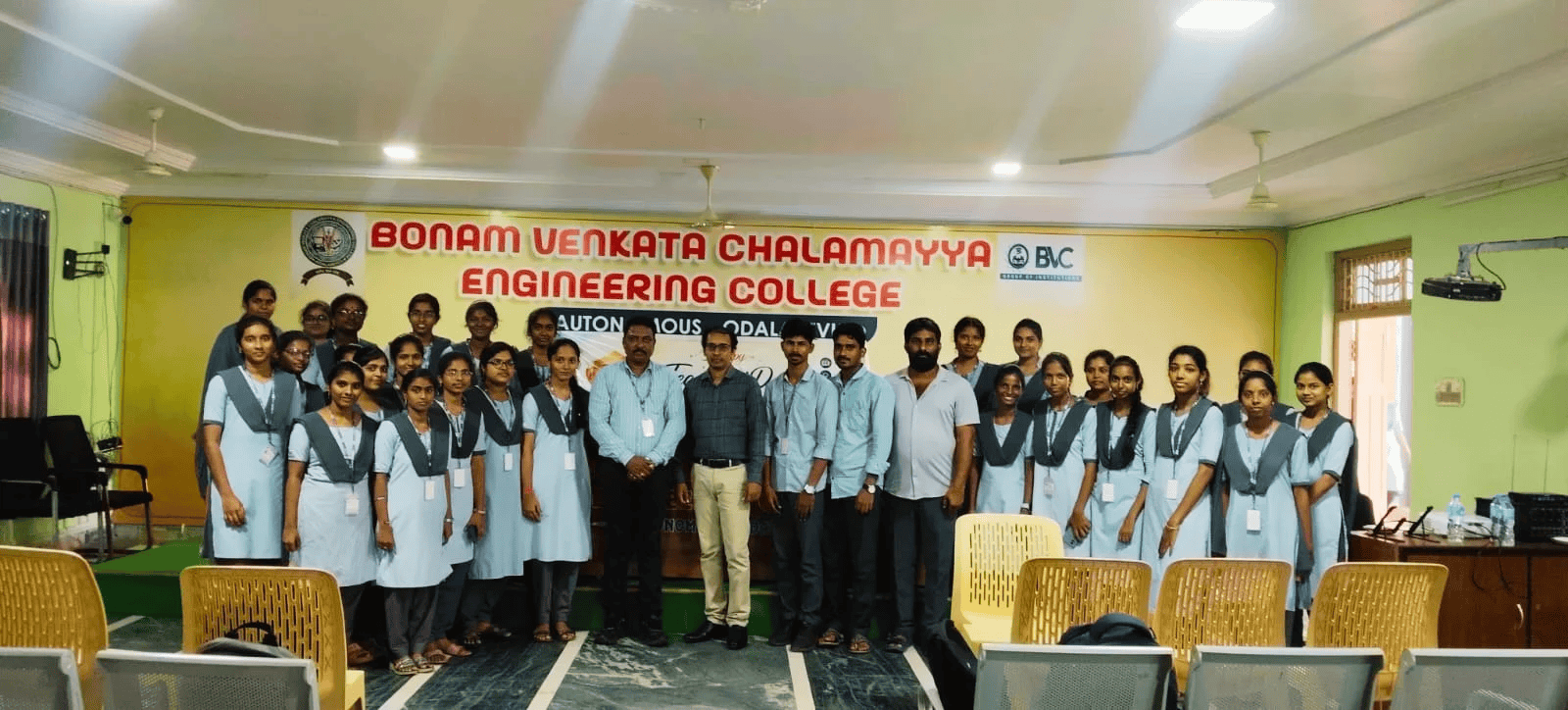
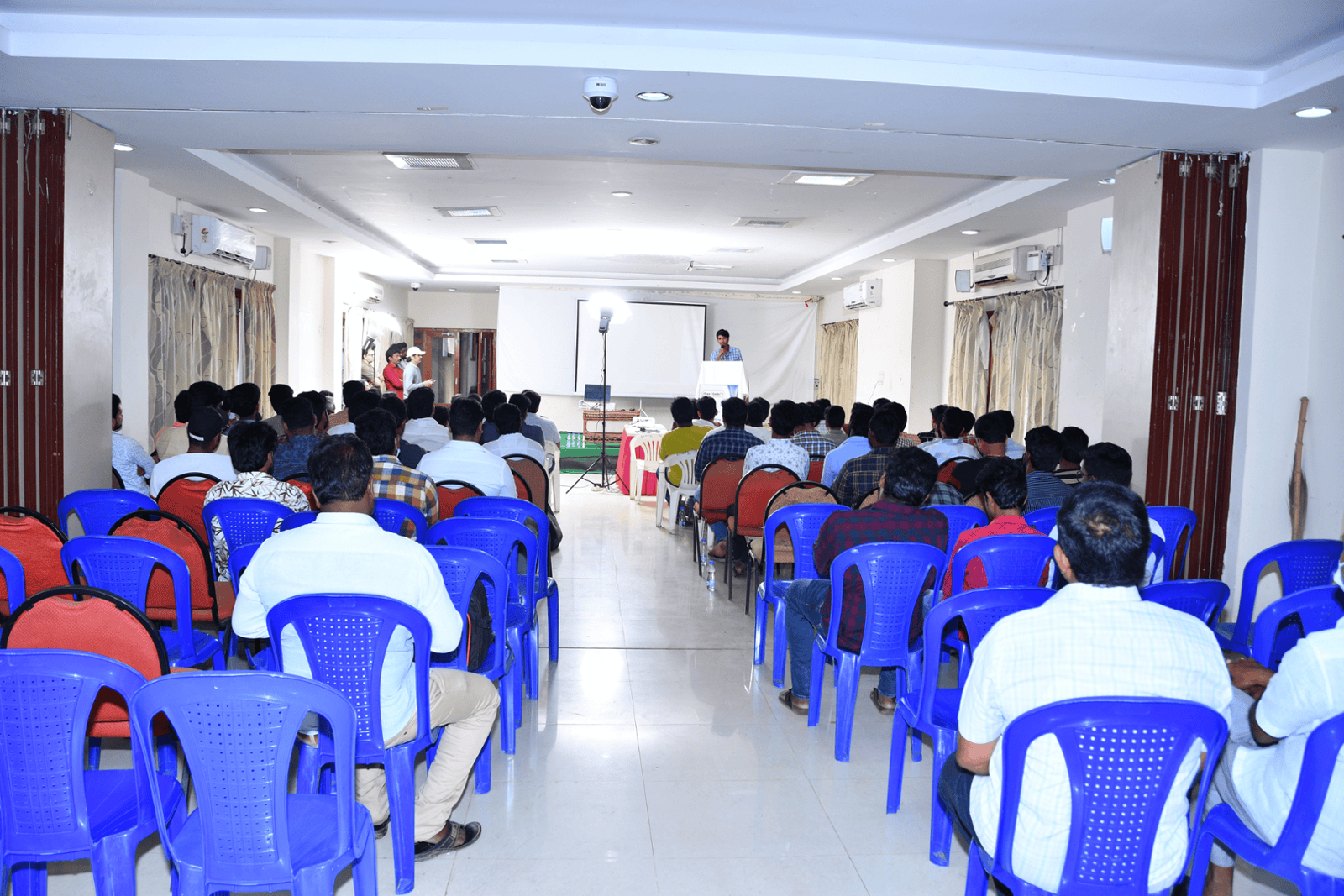
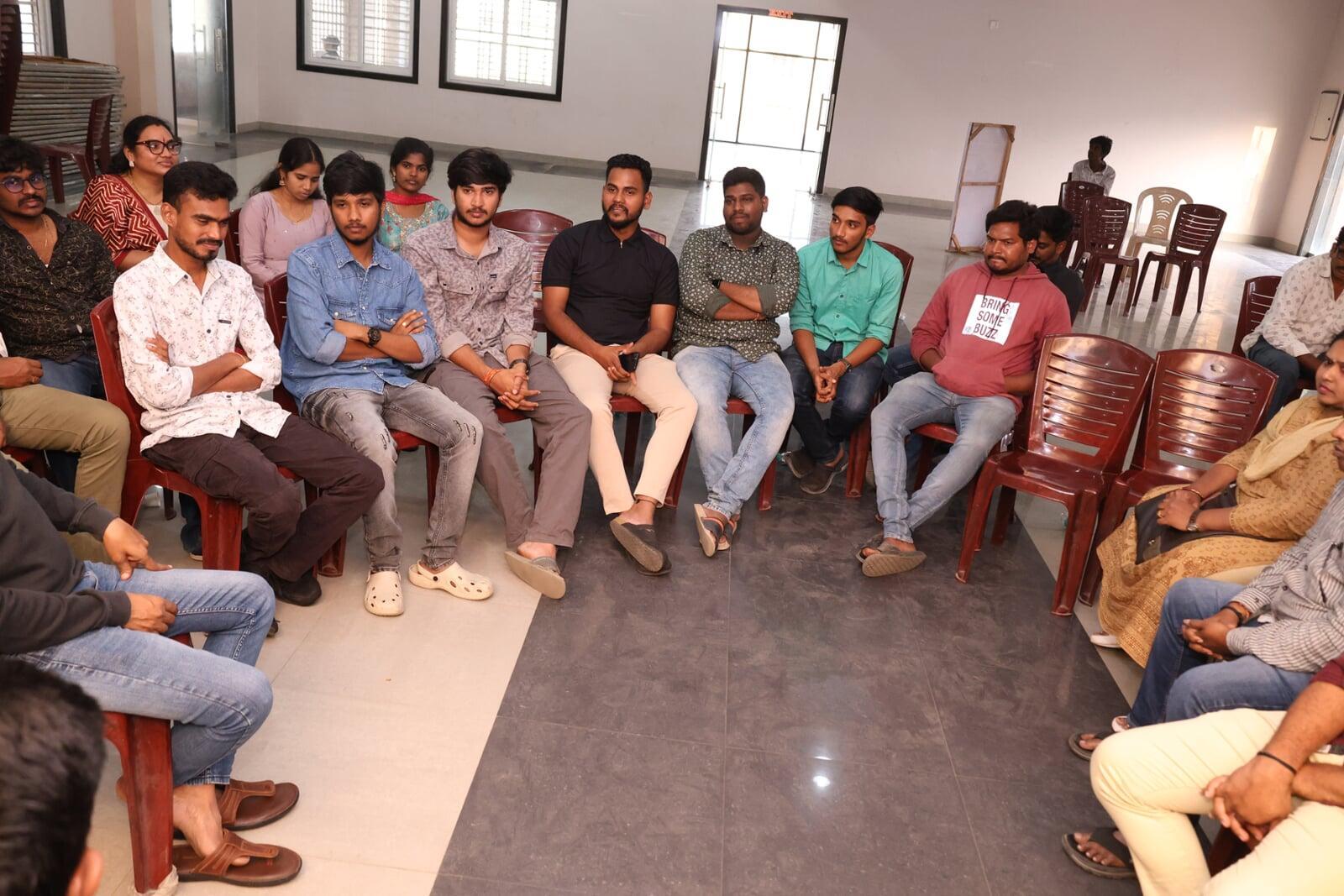
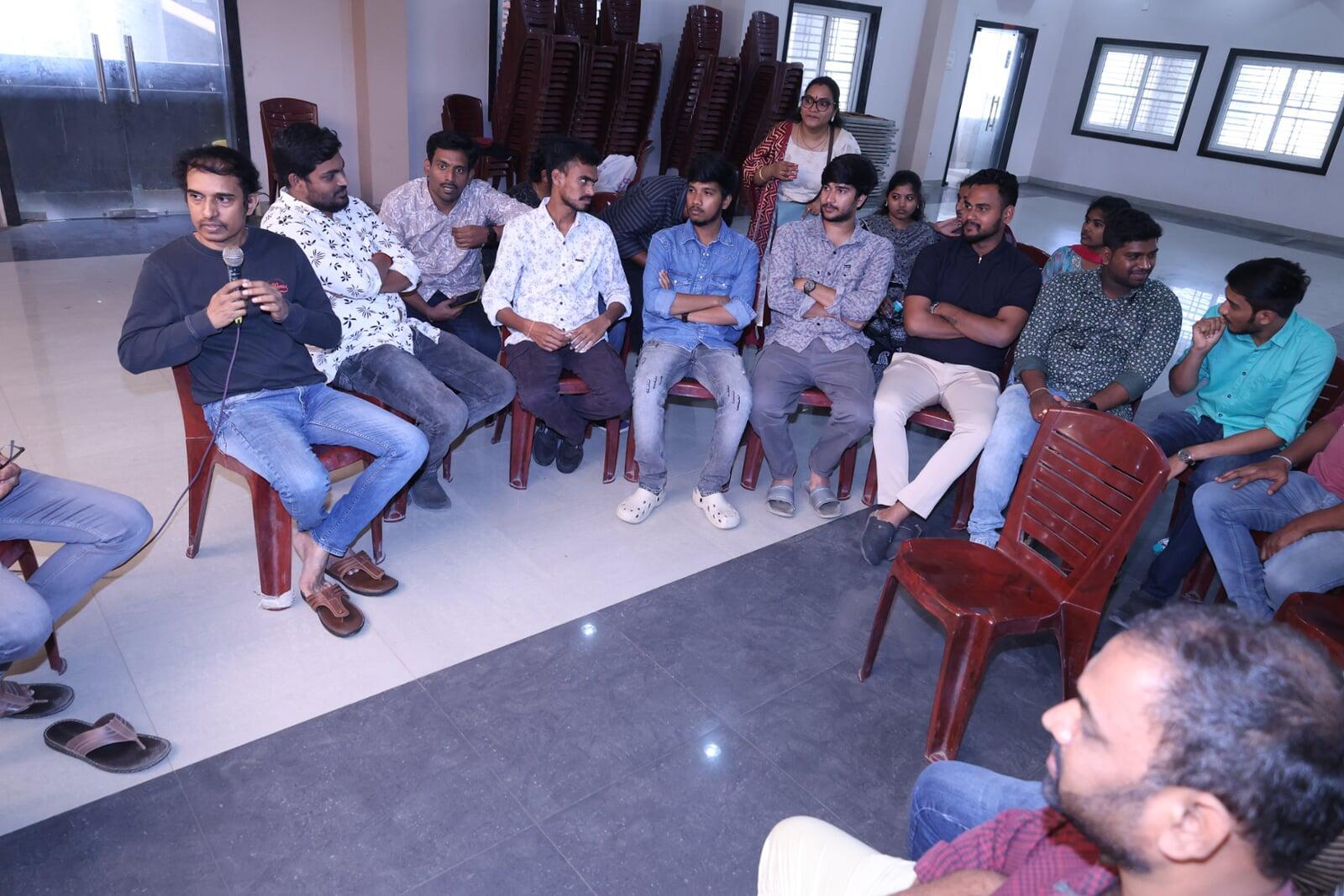
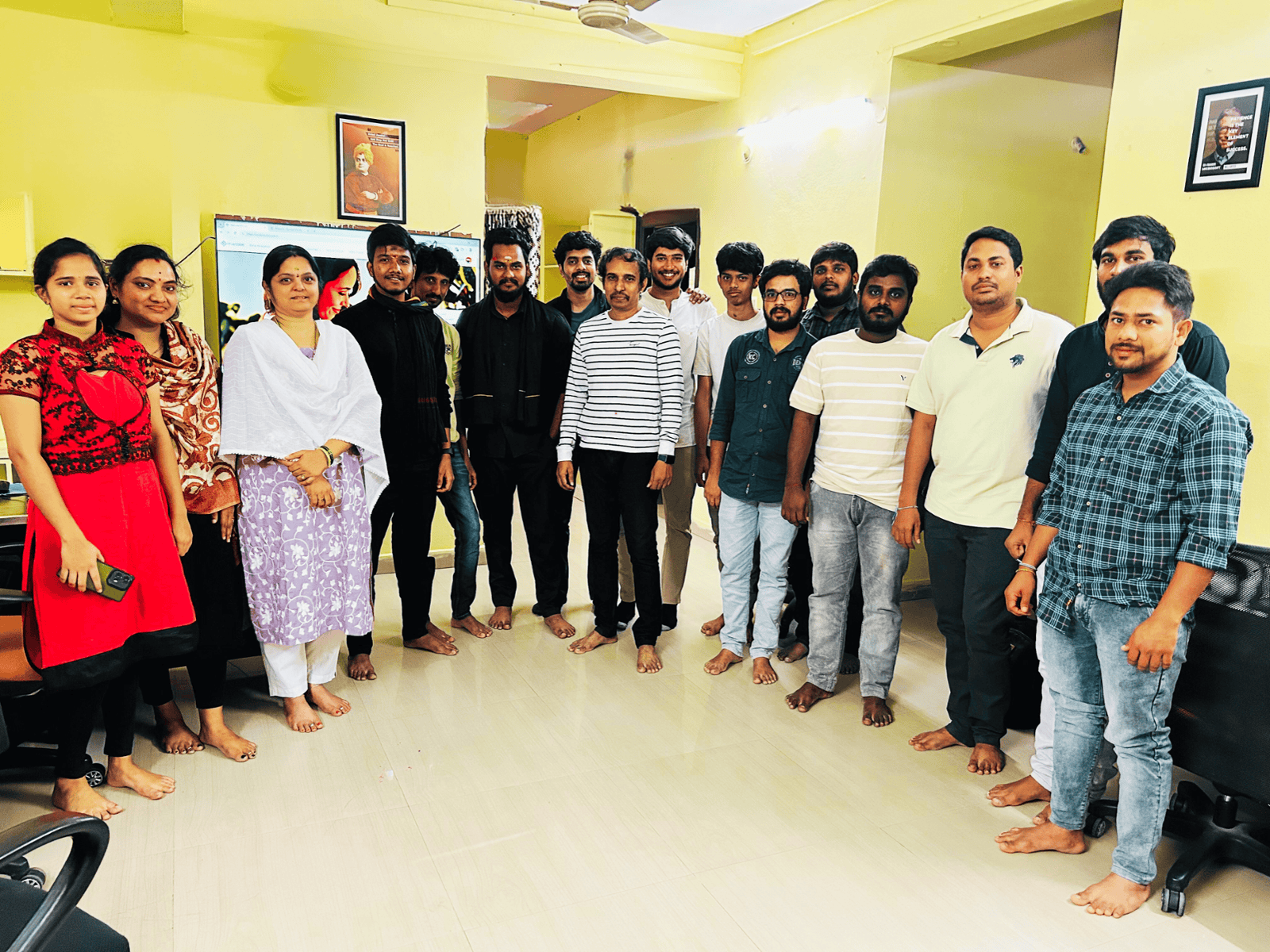
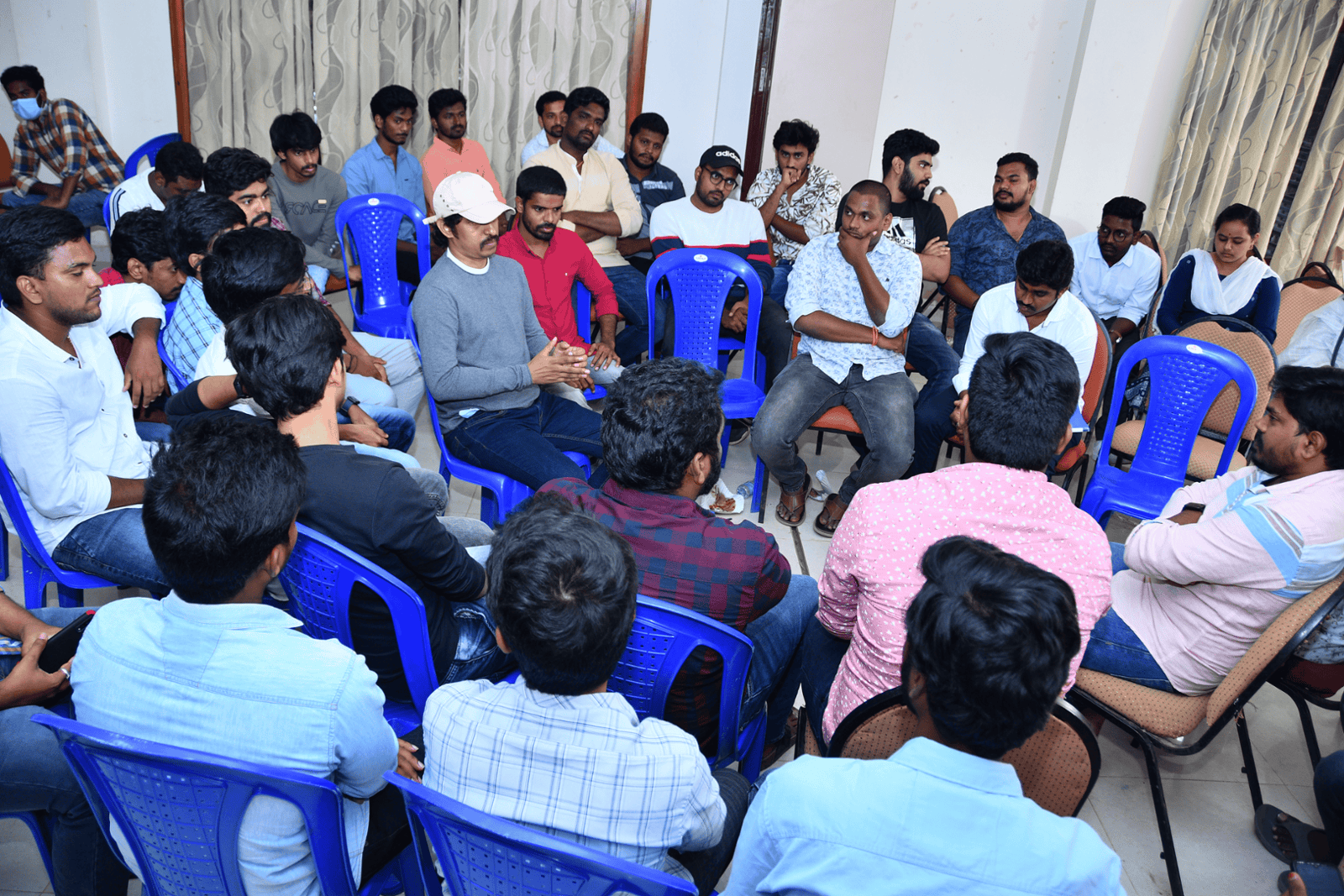
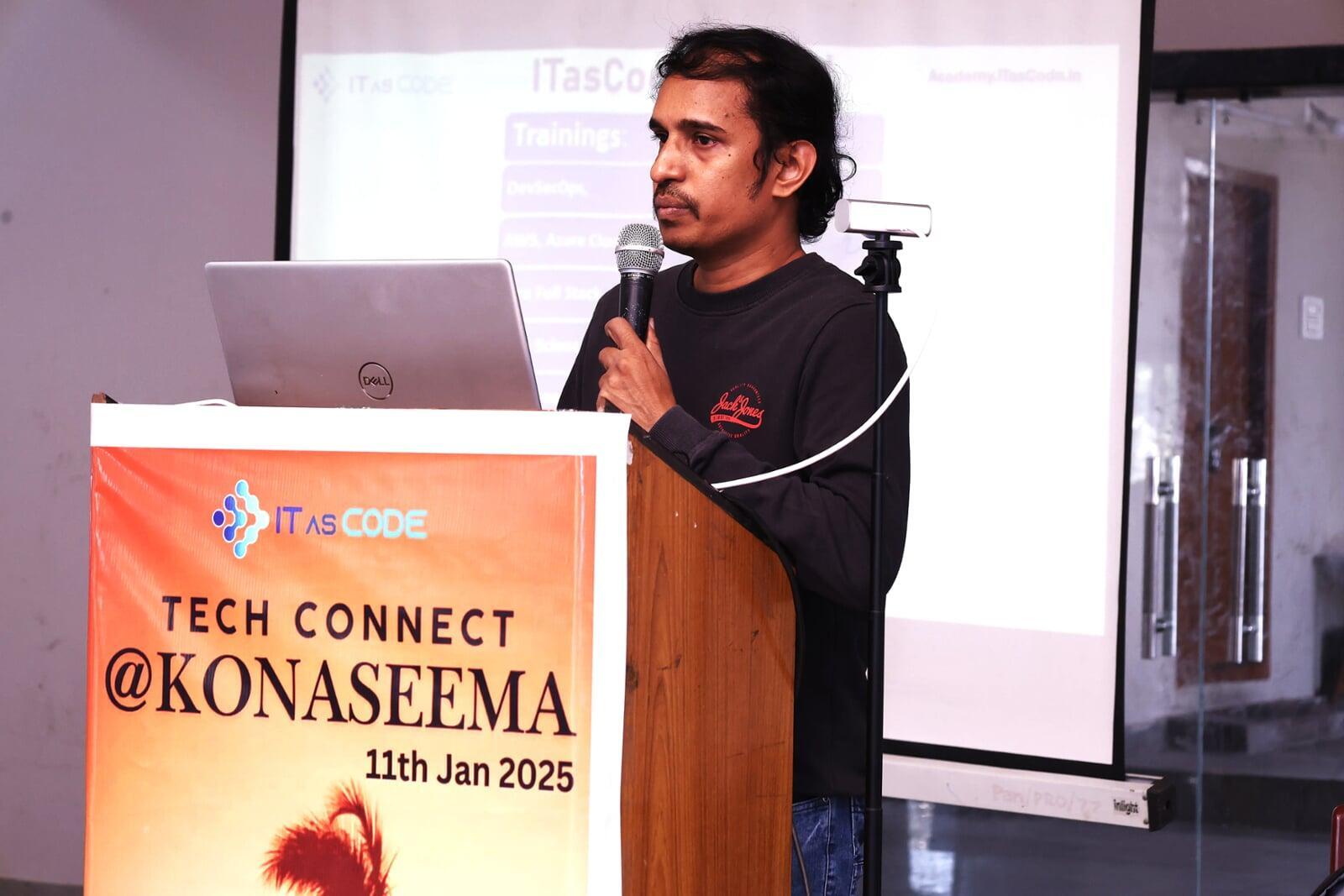
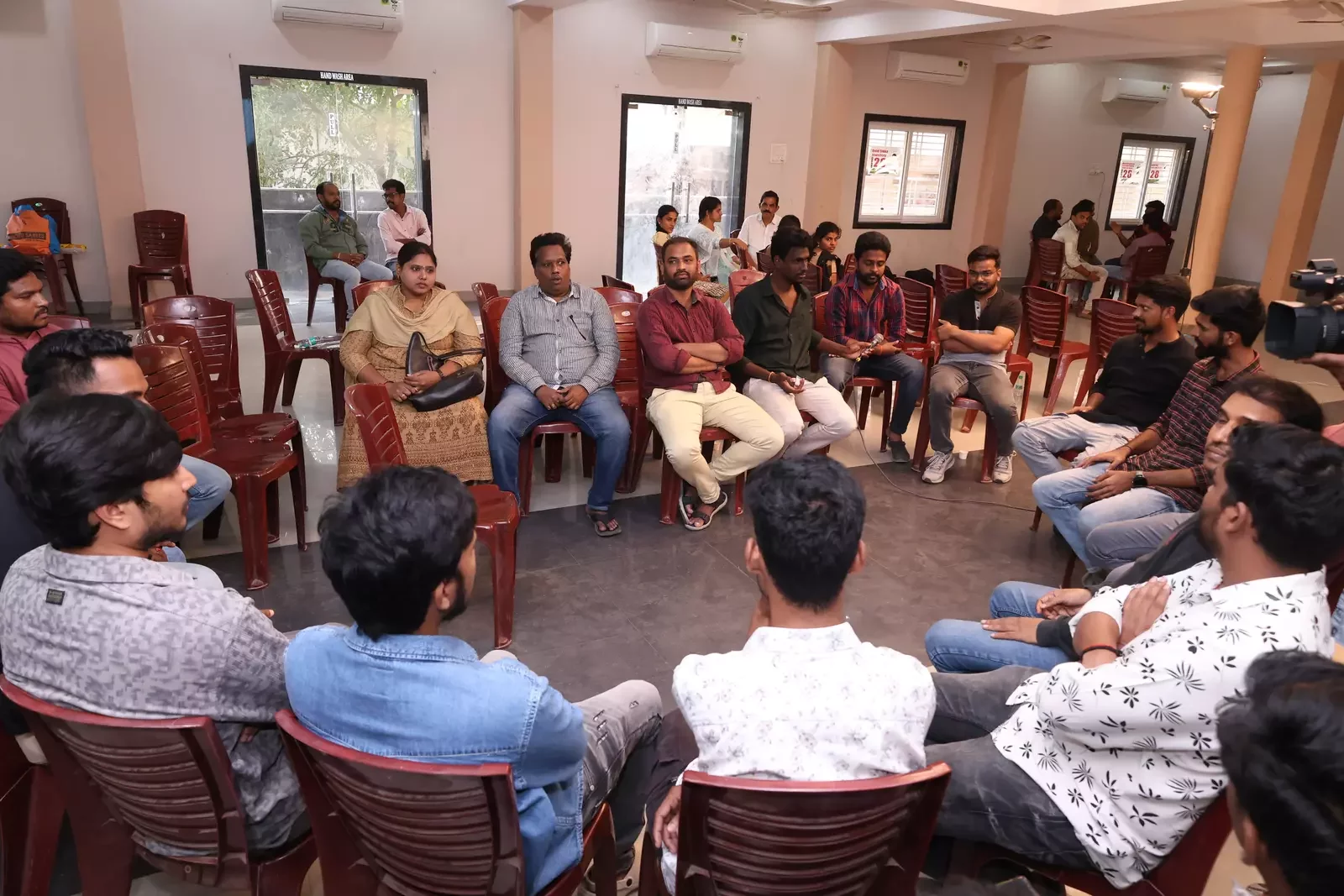
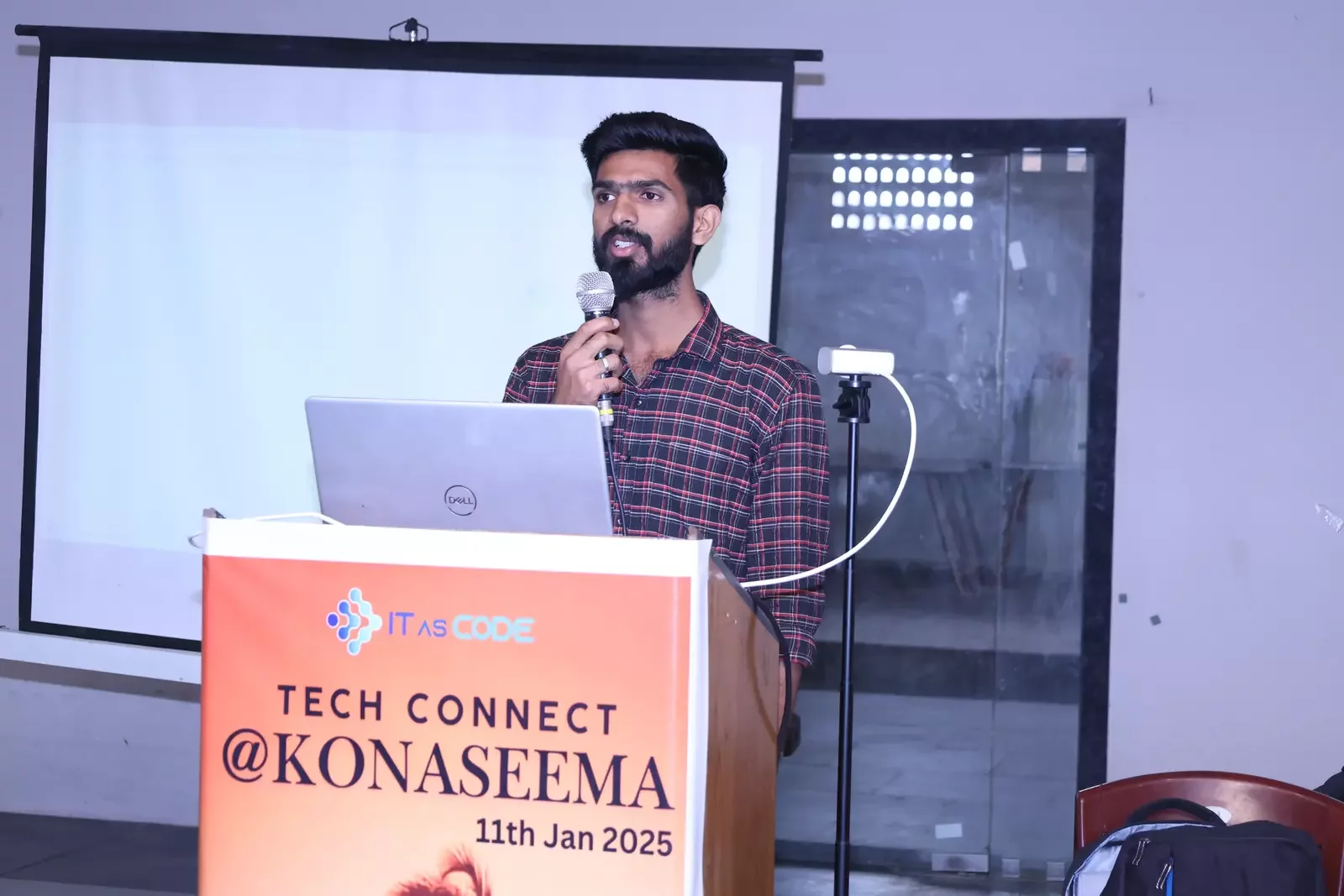
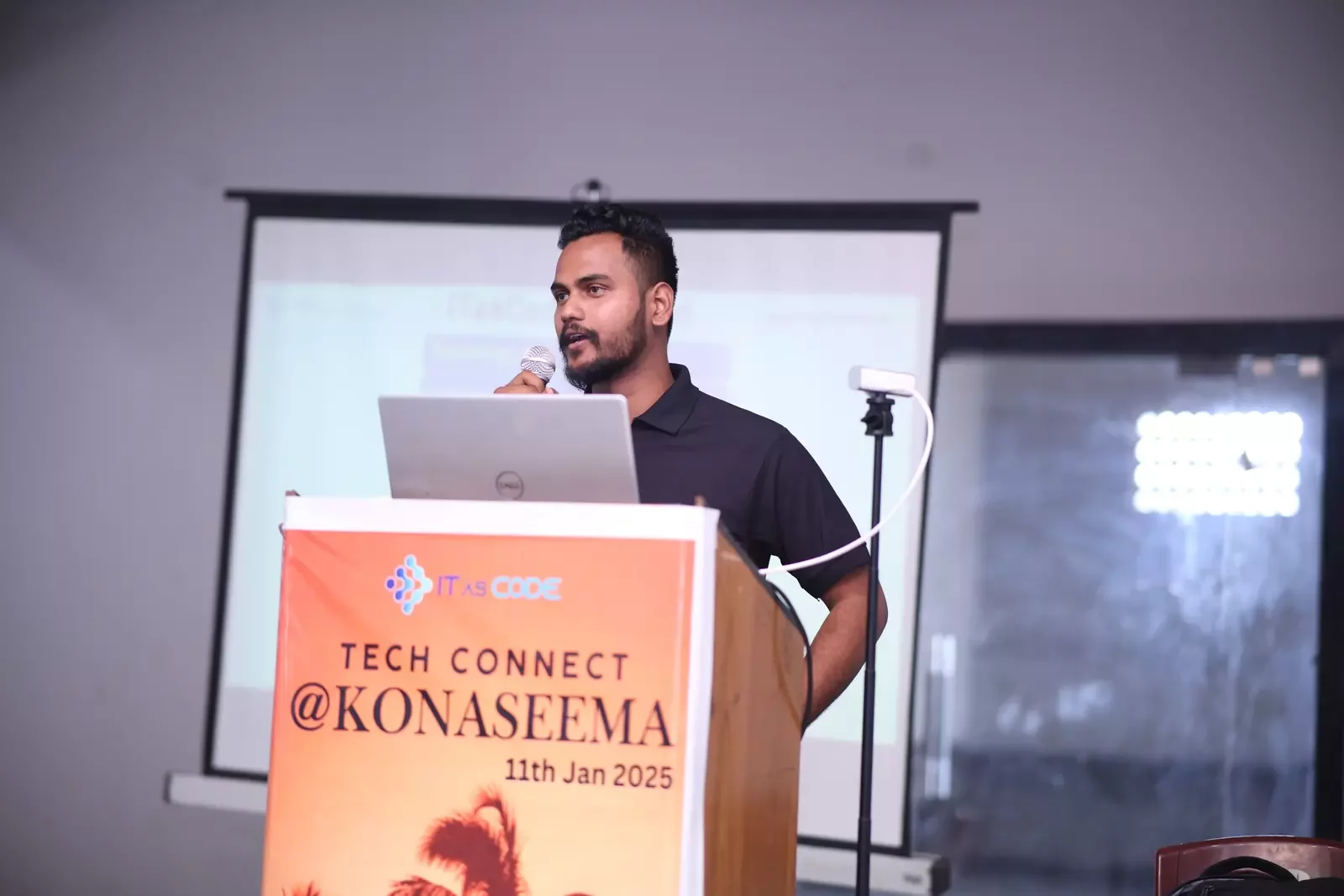
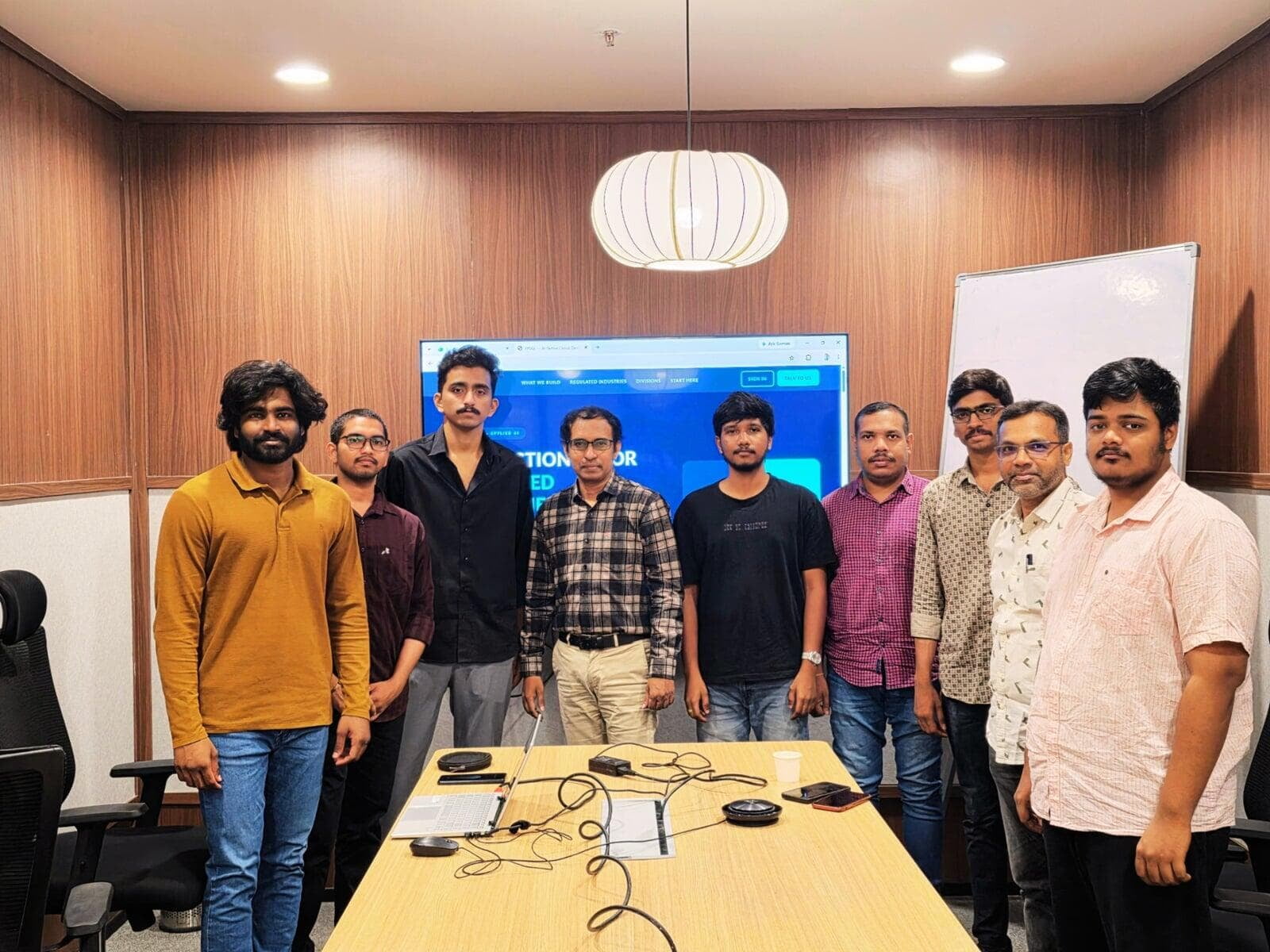
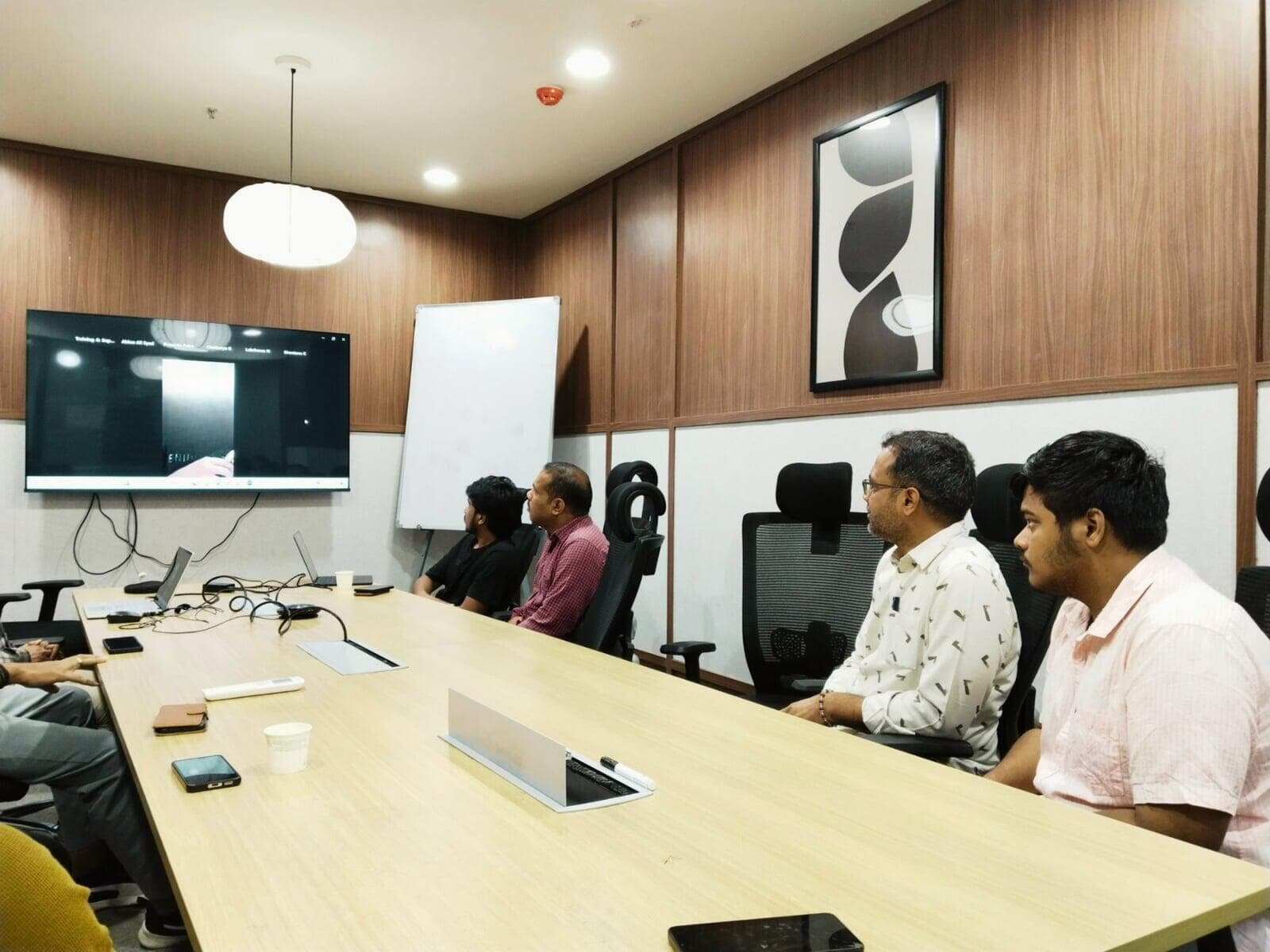
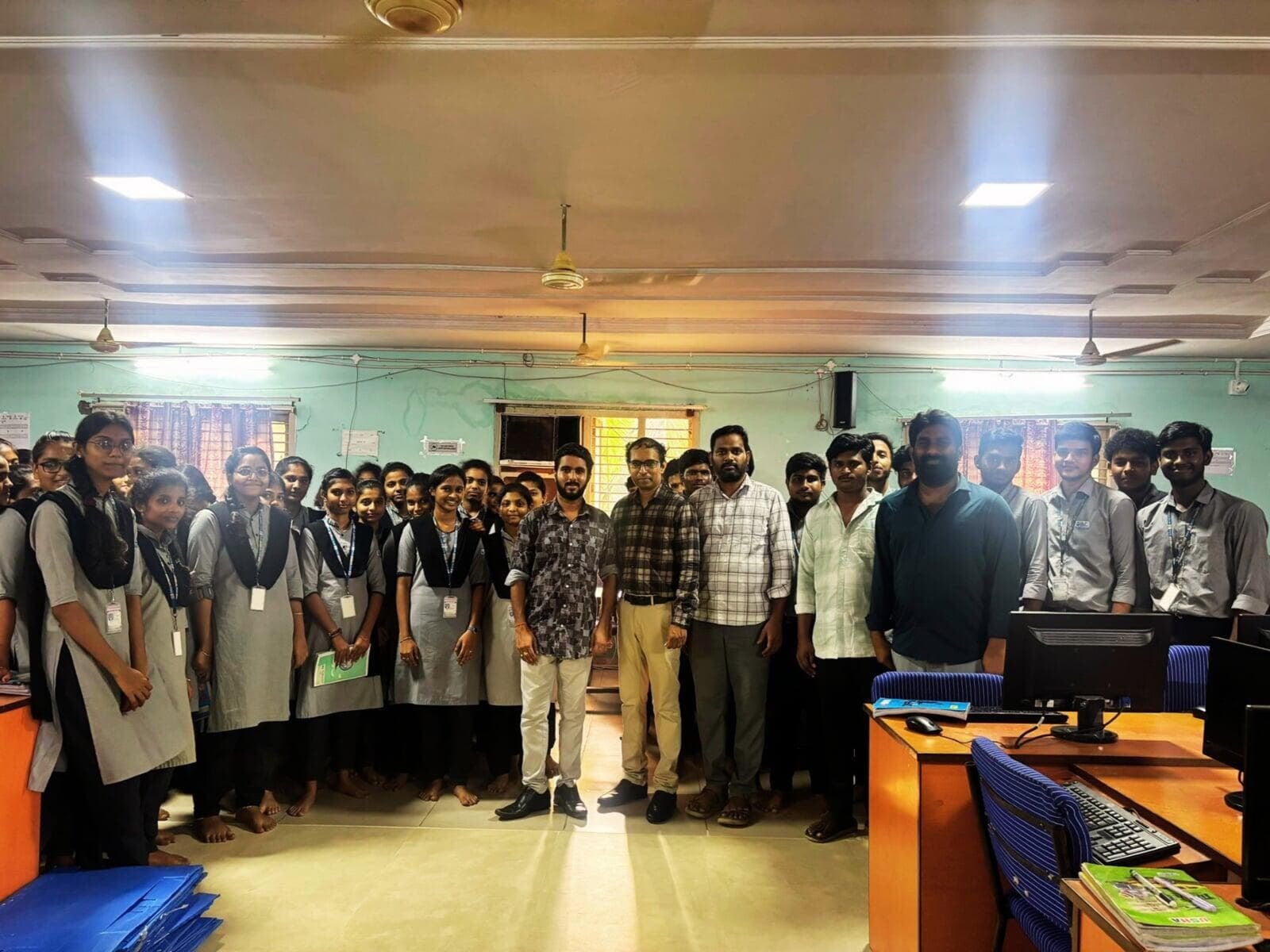
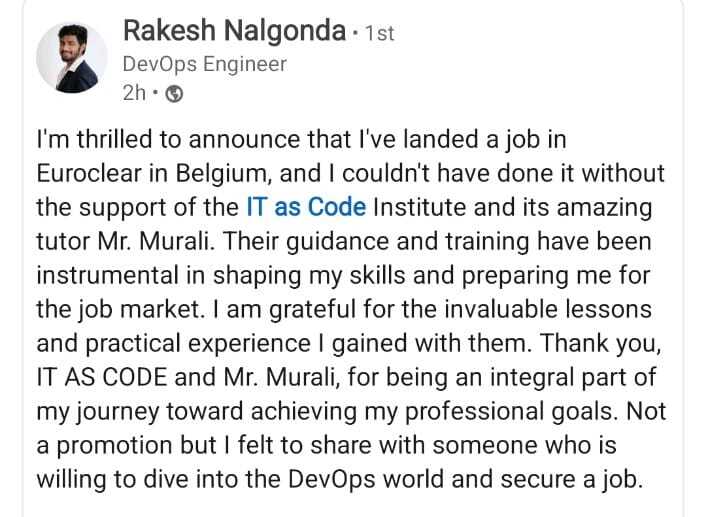
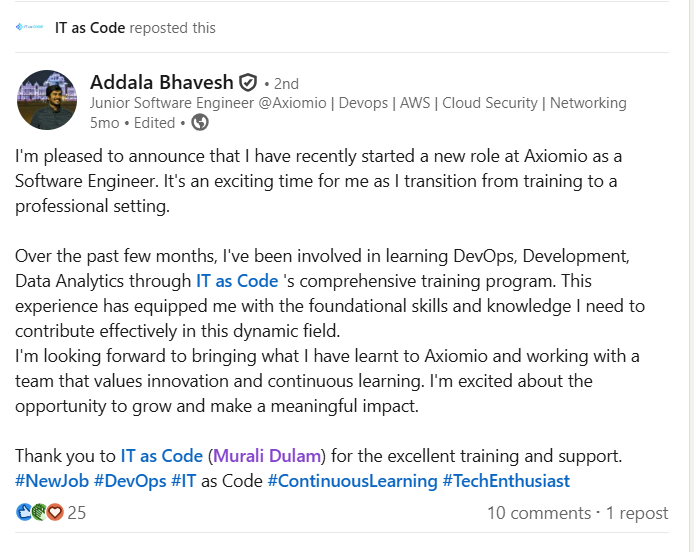
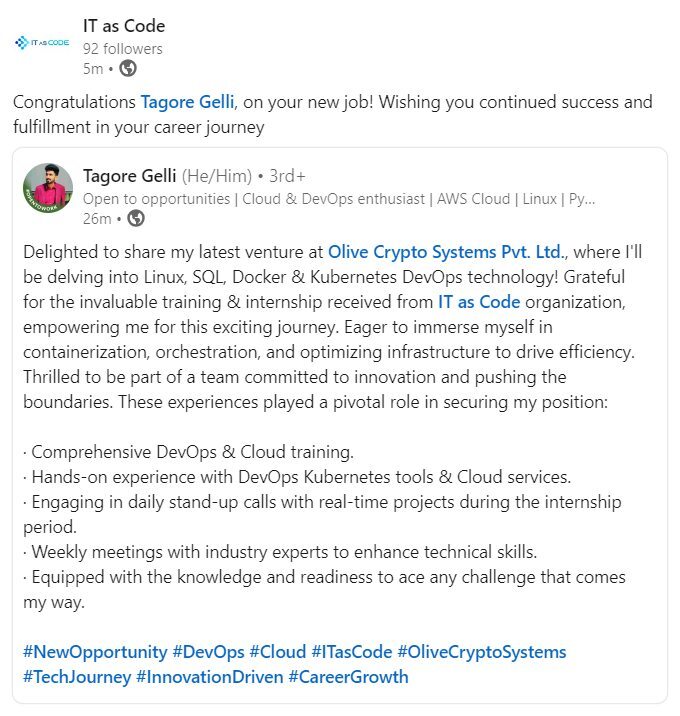
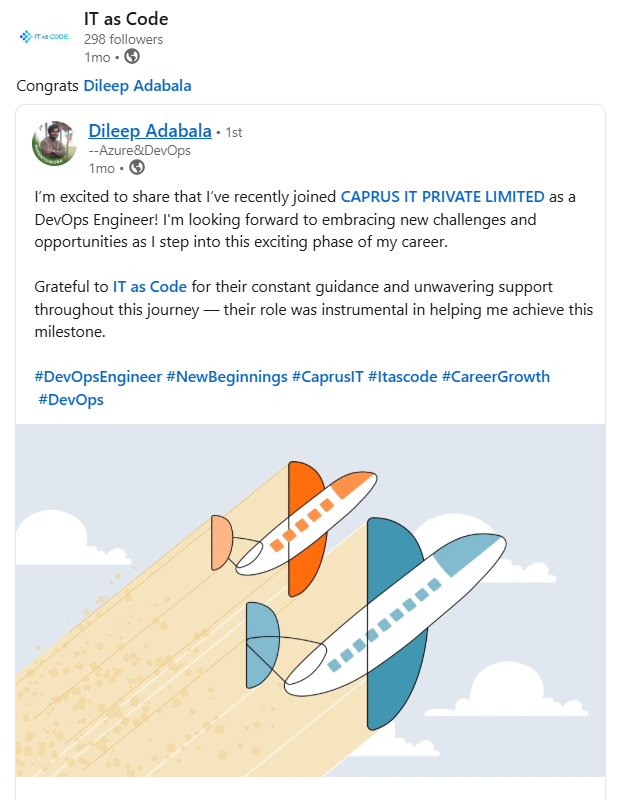
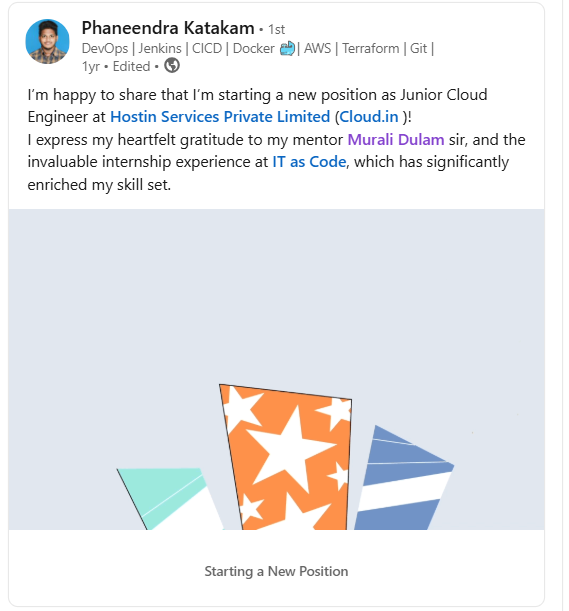
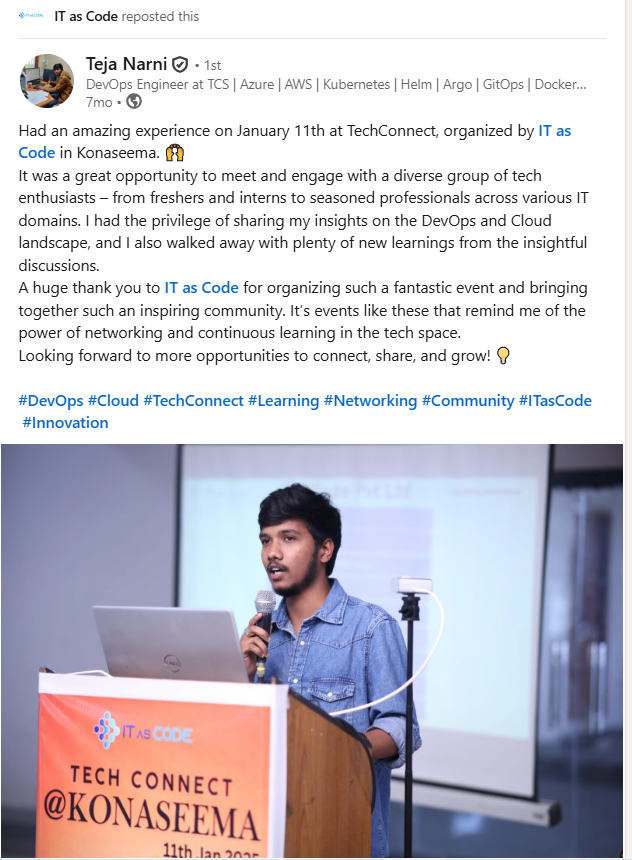
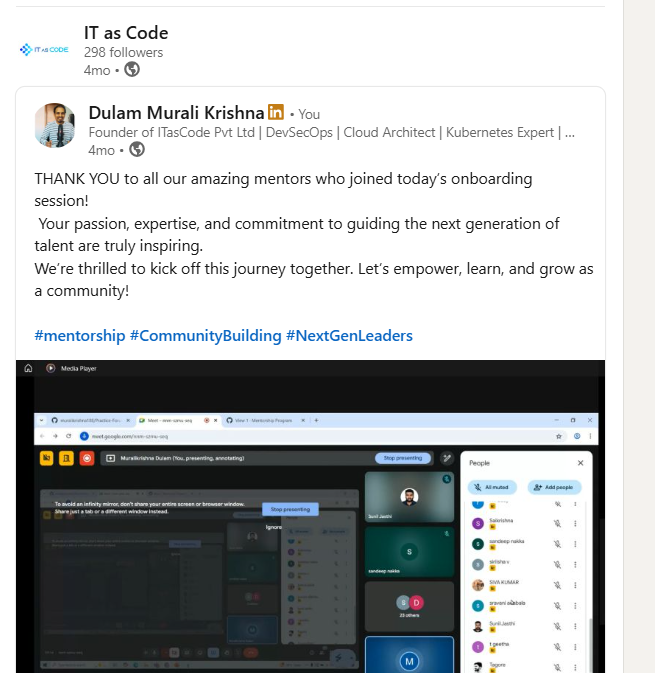
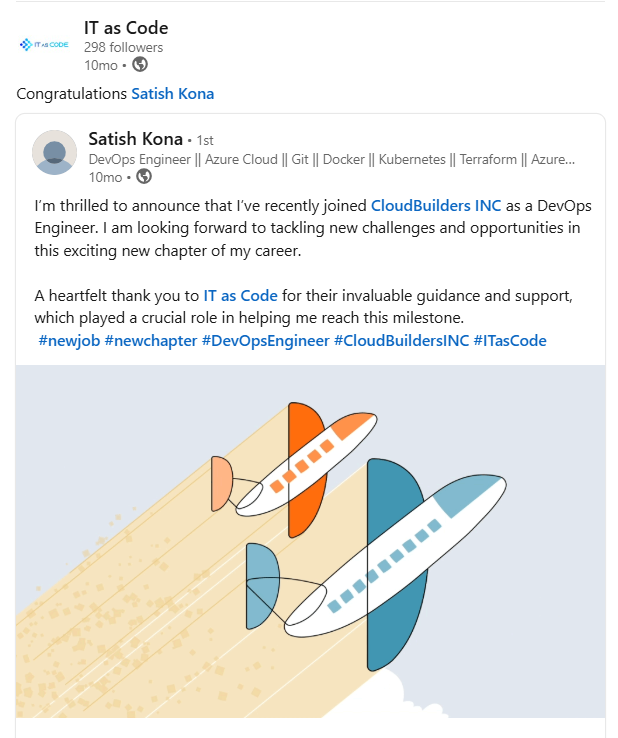
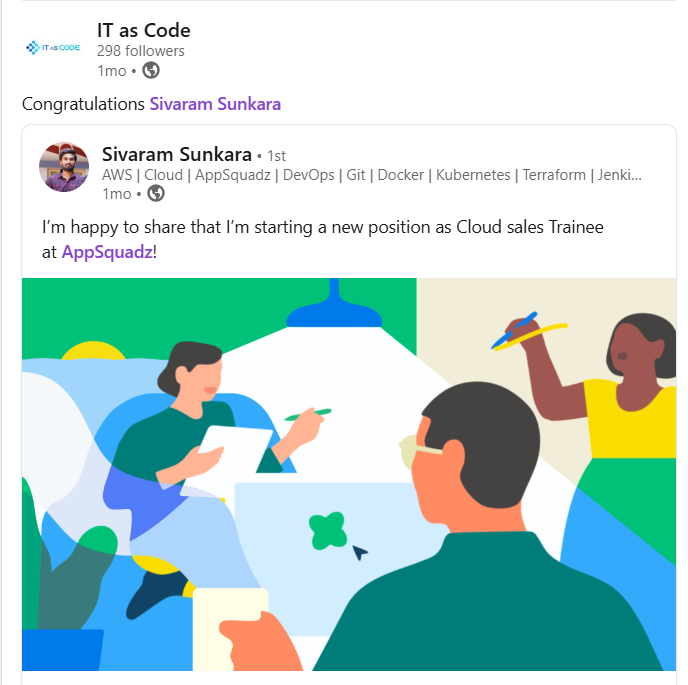
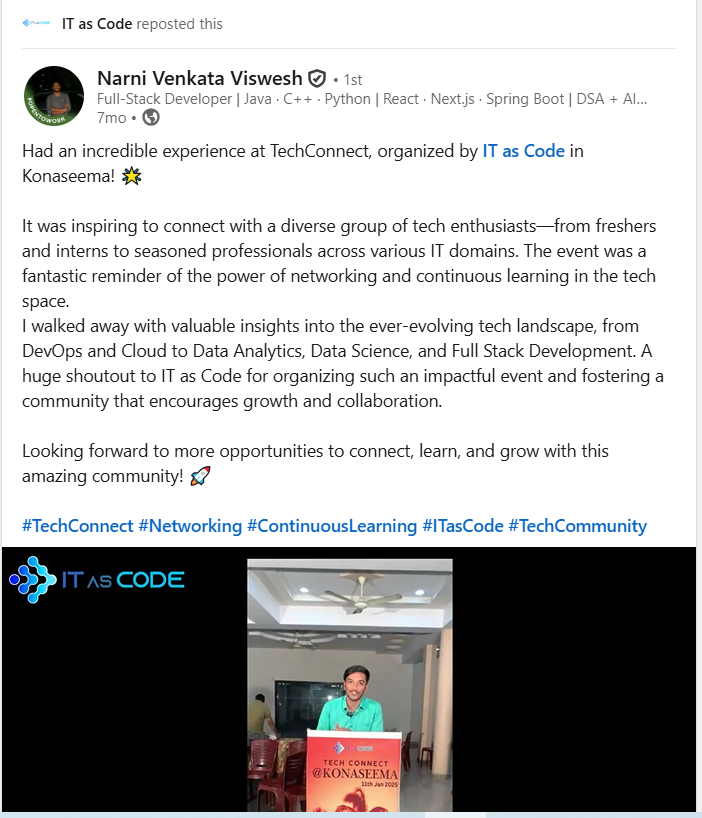
Our Students at Work


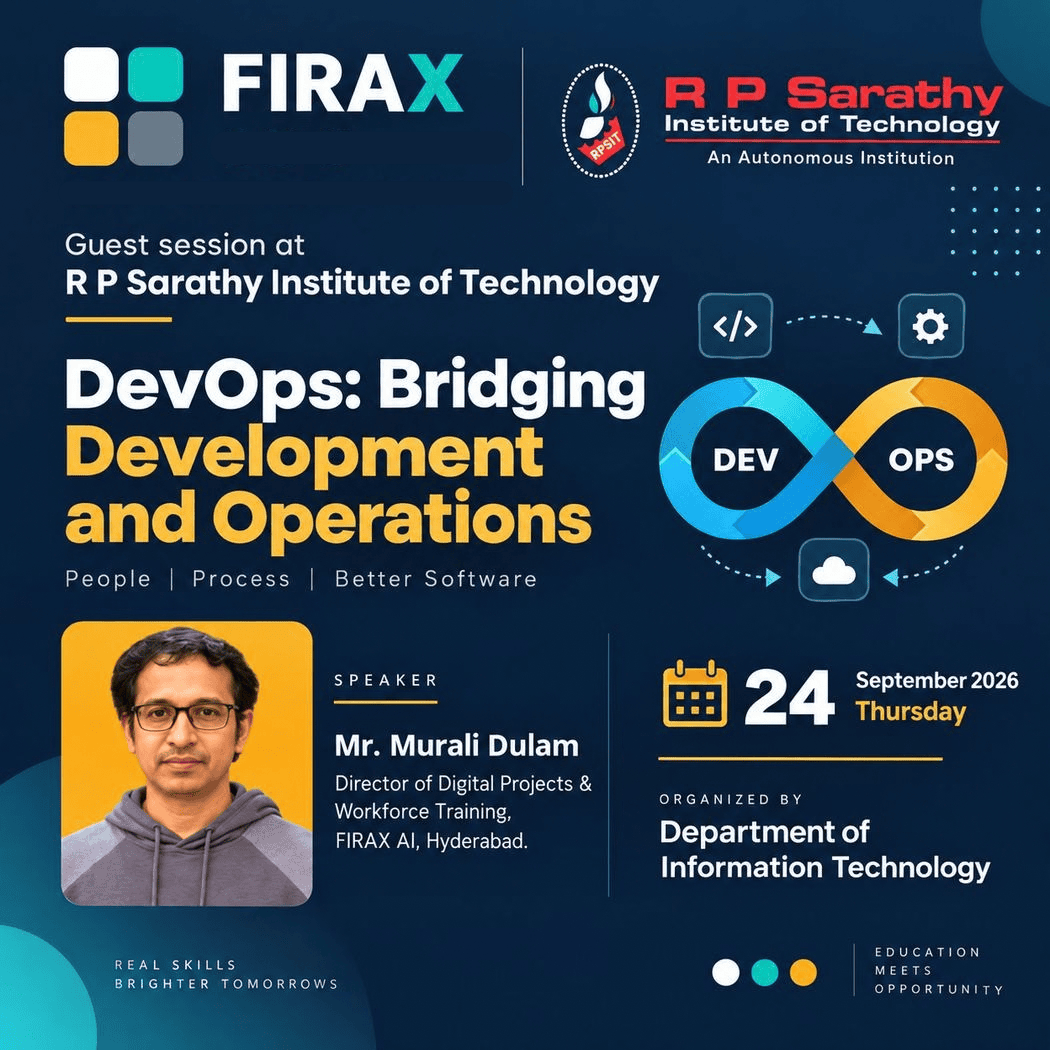
Our Achievements
- 5,000+ learners from 11 countries
- 1,000+ member alumni community
- 100+ Batches Delivered

How it’s taught
- Live, instructor-led sessions, not recordings
- Hands-on labs in every session: you build and deploy real agents, you don’t just watch
- AI era relevance: the labs use the same tools and workflows real teams run in production across Azure, AWS, and Claude, so the habits you build transfer directly to your job
- Structured path toward a deployed, portfolio-ready capstone project, so you finish with proof of skill, not just a certificate of attendance
"Our motto: build confidence you can defend"

- Confidence comes from doing, not watching — clarifying every doubt and practicing more than the minimum
- Every topic ends in implementation and presentation, the same way you'll defend it in a technical interview
- Hands-on skill + the ability to present it is what turns a certificate into a job offer
- Training, practice, feedback, and networking stay tightly connected, so gaps get caught and closed in real time
- You walk in ready to speak to your work with confidence — not just to say you completed it
Our Learning Methodology
We don't run a fixed syllabus and hope it fits — we build the path around you, and check in often enough to keep it on track:
- 1-on-1 assessment at joining — before training starts, we understand each candidate's technical strengths and weaknesses in detail, and build a personalized learning roadmap from there
- Structured 21-day learning cycles — each cycle combines focused training, daily practice sessions, and a hands-on project for every topic
- Daily practice sessions, 10 AM – 6:30 PM, via Google Meet — consistent, live practice time built into every cycle
- A hands-on project for every topic — so each concept is implemented, not just covered
- Mock interviews every 15 days — so interview readiness is built in throughout the course, not left until the end
- Review sessions every 21 days, for the full duration of the course — starting with the initial assessment at joining, we review progress against the roadmap every 21 days after that, identify gaps, and adjust the plan before moving into the next cycle
- Monthly tech meetups with senior leaders and senior engineers — for networking, exposure to real industry perspective, and building the connections that matter when it's time to look for a role


 Who should join
- Developers, testers, system administrators, network engineers, storage admins, and DB admins looking to move into agentic AI
- Cloud, DevOps, or backend engineers who want to specialize in building and deploying production AI agents
- Engineers who’ve built AI demos or prototypes and want to learn how to actually ship them
- IT professionals from any infrastructure or ops background looking to move into one of the highest-paid emerging roles in AI
- Working professionals, including those outside major cities, who want to upskill without quitting their job or relocating
- Cloud familiarity helps, but the program starts with a refresher